


Mary Berry Shortbread is a quintessential British biscuit, beloved for its buttery flavour, delicate crumb, and timeless appeal. Known for her clear instructions and reliable recipes, Mary Berry has made this classic treat accessible to both beginners and experienced bakers alike.
Her shortbread, whether in traditional rectangles, fork biscuits, or semolina-enhanced variations, offers a perfect balance of simplicity and elegance, making it ideal for teatime, festive occasions, or a comforting snack with a cup of tea.
This ultimate guide explores everything you need to know about Mary Berry’s shortbread, including classic and fork biscuit recipes, tips for using semolina, insights from her BBC recipe, shaping and cutting techniques, serving suggestions, common mistakes to avoid, storage, and freezing tips, ensuring you can create perfect biscuits every time.
| Category | Details / Tips |
| Mary Berry Shortbread | Smooth surface, rectangular or bar shapes, buttery, melt-in-the-mouth texture |
| Fork Biscuits | Surface pricked with a fork, light sugar sprinkle, rustic charm, even baking |
| Semolina Tips | Replace 2–3 tbsp flour with semolina for a subtle crunch; best in rolled biscuits |
| Ingredients | Butter, caster sugar, plain flour, optional rice/cornflour for extra crumb |
| Baking Temperature | 160°C (fan 140°C) / 325°F; bake 25–30 minutes until lightly golden |
| Shaping & Cutting | Rectangles, rounds, squares, triangles; chill dough 10–15 min before baking |
| Variations | Chocolate-dipped, citrus zest, almond/hazelnut, spiced |
| Serving Suggestions | With tea/coffee, gift packaging, dessert accompaniment, festive platters |
| Common Mistakes | Overworking dough, melted butter, over-baking, cutting hot, improper storage |
| Storage & Freezing | Airtight tins up to 2 weeks; freeze up to 3 months, thaw at room temp |
| Tips for Success | Use quality butter, sift flour, minimal handling, chill dough before cutting |
What Is Shortbread?
Shortbread is a traditional Scottish biscuit made primarily from butter, sugar, and flour. Its name comes from its “short” texture, which refers to its crumbly, tender nature due to its high butter content. Unlike other biscuits, shortbread is not leavened with baking powder, giving it a dense, rich texture that melts in the mouth.
Historically, shortbread was associated with festive occasions such as Christmas and Hogmanay in Scotland. Today, it is enjoyed year-round in homes, cafes, and restaurants across the UK. Mary Berry’s approach elevates this classic with precise measurements and techniques, ensuring consistency and delicious results.
Mary Berry Classic Shortbread Biscuits
Mary Berry’s classic shortbread biscuits are beloved for their simplicity and buttery flavour. They are perfect for beginners yet sophisticated enough to impress seasoned bakers.
Ingredients
- 225g unsalted butter, softened
- 100g caster sugar (plus extra for sprinkling)
- 225g plain flour
- 100g rice flour or cornflour for extra crumbly texture (optional)
Method
- Preheat the oven to 160°C (fan 140°C) or 325°F.
- Cream the butter and sugar together until pale and fluffy.
- Sift in the plain flour (and rice flour if using) and mix gently to form a soft dough.
- Roll out to about 1 cm thick and cut into desired shapes, or press into a shortbread tin.
- Prick the surface with a fork to prevent bubbling.
- Bake for 25–30 minutes until lightly golden.
- Allow to cool before slicing or serving.
Classic Mary Berry shortbread biscuits are rich, melt-in-the-mouth, and perfect with tea or coffee.
Fork Biscuits
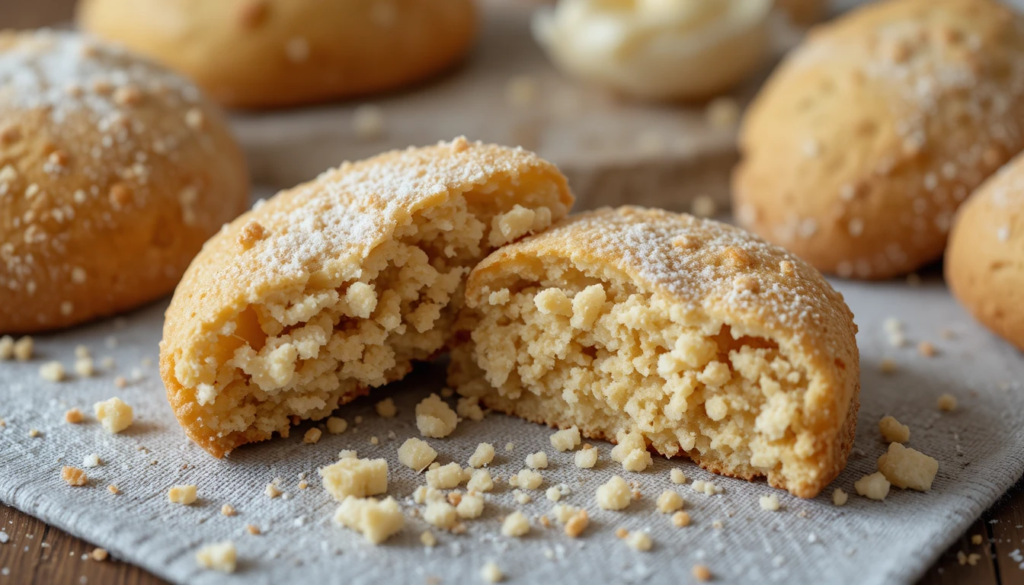
Fork biscuits are a variation of shortbread, with the surface patterned with fork marks. These not only add a traditional aesthetic but also help the biscuits bake evenly by allowing steam to escape.
Tips for Fork Biscuits
Tips for making fork biscuits include using a fork to create parallel marks on each biscuit before baking, dipping the fork lightly in flour or sugar to prevent sticking, and ensuring the biscuits are of uniform thickness for even baking.
Sprinkling lightly with caster sugar adds extra sweetness and a delicate crunch. These fork biscuits are simple yet elegant, making them perfect for gift boxes, tea parties, or adding a classic homemade touch.
Semolina Tips for Shortbread
Semolina is a coarse wheat flour that adds texture and a slightly nutty flavour to shortbread. While not traditional in all shortbread recipes, Mary Berry sometimes incorporates semolina for a subtle crunch and added depth.
How to Use Semolina
- Replace 2–3 tablespoons of plain flour with semolina for each 225g batch of flour.
- Mix the semolina thoroughly with the flour before adding it to the butter and sugar.
- Semolina works best in rolled shortbread rather than pressed into tins to maintain even texture.
Adding semolina can give your shortbread a slightly crunchy bite without compromising its tender, melt-in-the-mouth quality.
Mary Berry BBC Recipe Insights

Mary Berry’s BBC recipes have made her baking techniques accessible to millions. Her shortbread recipe is no exception, offering detailed instructions, timing, and tips that help bakers of all levels achieve perfect results.
Key BBC Tips Include
- Use softened butter, not melted, to retain structure and prevent spreading.
- Cream butter and sugar until thoroughly combined and incorporate air for a lighter texture.
- Chill the dough if it feels too soft before cutting shapes.
- Avoid over-baking; shortbread should remain pale with just a hint of golden edges.
Following the BBC recipe ensures consistent results, making it an essential reference for anyone learning Mary Berry’s methods.
Shaping and Cutting Shortbread
Shaping and cutting shortbread is highly versatile, enabling a range of forms and presentation styles. Traditional rectangles can be made by rolling out the dough and cutting it into fingers or bars, while round biscuits can be created using cookie cutters or a glass rim for perfect circles.
Squares or triangles work well for tin-baked shortbread, providing uniform portions, and decorative fork patterns add traditional charm while improving baking consistency. For the best results, use a sharp knife or cookie cutter for clean edges and chill the shaped dough for 10–15 minutes before baking to help maintain its shape.
Baking and Cooling
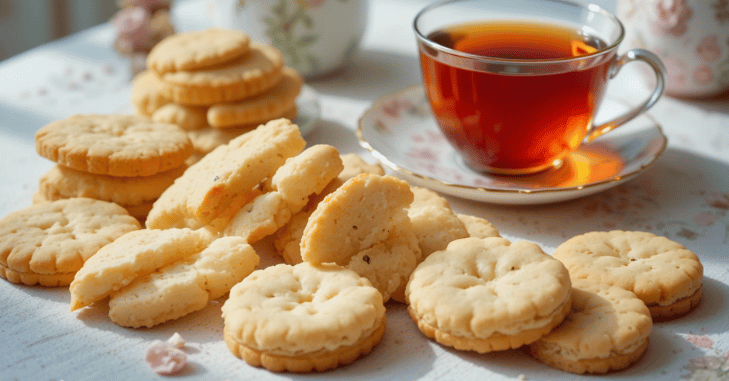
The baking process is critical for achieving the signature crumbly texture of shortbread.
Baking Tips
- Bake in the centre of the oven for even heat distribution.
- Use parchment paper or a silicone mat to prevent sticking.
- Avoid overcrowding the tray to allow airflow.
- Rotate trays halfway through baking if your oven has hot spots.
Cooling Tips
- Let biscuits cool completely on a wire rack to firm up.
- Shortbread can be stored in an airtight tin for up to 2 weeks, maintaining its freshness and texture.
- For extra elegance, dust lightly with icing sugar before serving.
Variations on Mary Berry Shortbread
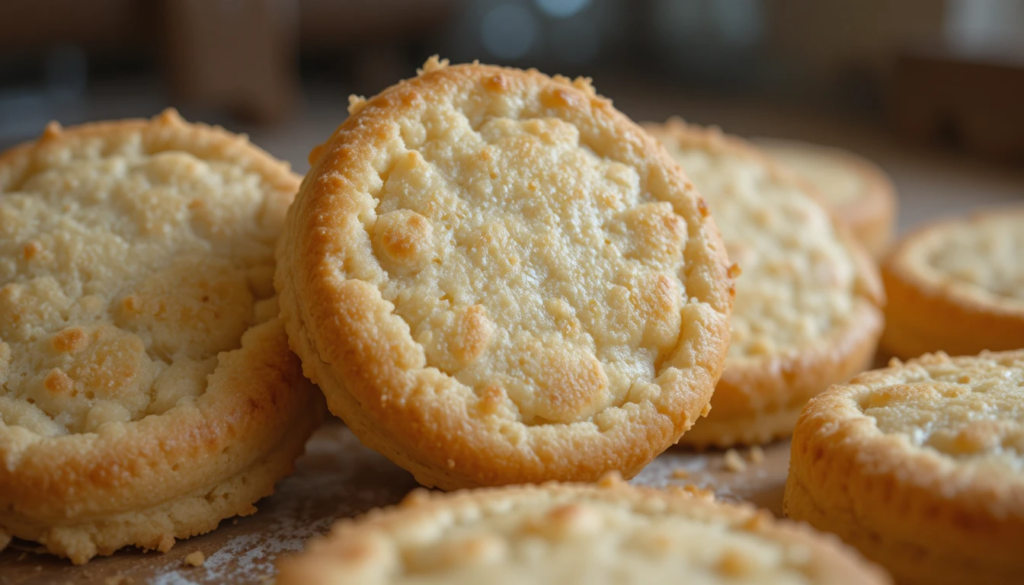
Mary Berry encourages creativity while maintaining classic shortbread techniques, offering several popular variations. Chocolate-dipped shortbread adds a sweet twist by dipping one end in melted chocolate, while incorporating lemon or orange zest into the dough provides a refreshing, citrusy flavour.
Almond or hazelnut shortbread introduces finely chopped nuts for extra texture, and spiced shortbread, with a pinch of cinnamon, nutmeg, or cardamom, adds a festive touch. These variations are simple to implement and enhance both the flavour and visual appeal of the classic biscuit.
Serving Shortbread
Shortbread can be enjoyed in numerous ways:
- With Tea or Coffee: Classic pairing for an afternoon treat.
- Gift Packaging: Wrap in parchment and tie with ribbon for homemade gifts.
- Dessert Accompaniment: Serve with ice cream, berries, or chocolate sauce.
- Festive Platters: Arrange with other biscuits and sweets for celebrations.
The elegance and simplicity of shortbread make it a versatile choice for both everyday enjoyment and special occasions.
Common Mistakes to Avoid
Even experienced bakers can encounter pitfalls when making shortbread, but these common mistakes are easy to avoid. Overworking the dough can lead to tough biscuits, so mix it just until combined.
Using melted butter can cause spreading and loss of shape, while over-baking results in overly dark biscuits; shortbread should remain pale with just golden edges. Cutting hot biscuits may cause them to crumble or break, so it’s best to let them cool slightly first.
Finally, proper storage is essential; keeping shortbread in airtight tins prevents moisture absorption and helps maintain crispness.
Mary Berry Fork Biscuits vs Classic Shortbread
Fork biscuits offer a slightly different aesthetic and texture compared to classic shortbread:
- Classic Shortbread: Smooth surface, often baked in tins or shaped into rectangles.
- Fork Biscuits: Pricked surface with delicate sugar sprinkling; adds rustic charm.
Both share the buttery, melt-in-the-mouth quality that makes Mary Berry’s recipe a timeless favourite.
Tips for Perfect Shortbread Every Time
- Use high-quality unsalted butter for a rich flavour.
- Sift flour for a light, even texture.
- Chill the dough before cutting to maintain shape.
- Avoid over-handling; shortbread benefits from minimal manipulation.
- Store in a cool, dry place to preserve crispness.
By following these tips, you can consistently achieve bakery-quality shortbread at home.
Tips for Achieving Perfect Texture in Mary Berry Shortbread
Achieving the perfect texture in Mary Berry shortbread depends largely on maintaining the right balance between ingredients and handling the dough with care. The mixture should be combined just enough to bring it together without overworking, as excessive mixing can develop gluten and make the biscuits less tender.
Using cold or lightly softened butter helps maintain structure, while chilling the dough before baking ensures the shortbread holds its shape and develops a delicate, crumbly texture. Baking at a low temperature until just lightly golden rather than deeply browned is also essential, as it preserves the signature melt-in-the-mouth quality that makes Mary Berry’s shortbread so iconic.
Storing and Freezing
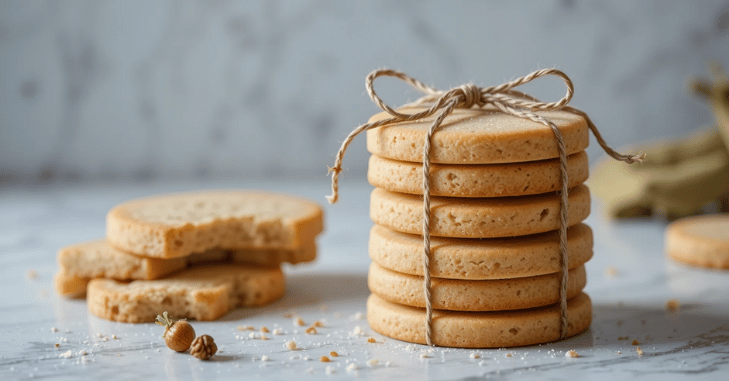
Shortbread is ideal for both storing and freezing. At room temperature, it can be kept in airtight tins for up to two weeks. For more extended storage, wrap the biscuits tightly and freeze them for up to 3 months, then thaw at room temperature before serving.
To restore their crispness, warm them slightly in the oven for a few minutes. Proper storage ensures that shortbread maintains its signature texture and buttery flavour over time.
Why Mary Berry Shortbread Remains Popular?
Mary Berry’s shortbread stands out for several reasons:
- Simplicity: Minimal ingredients, easy steps, yet exceptional results.
- Reliability: Her BBC-tested methods ensure consistent success.
- Versatility: Adaptable to flavours, shapes, and presentation styles.
- Tradition: Upholds the classic qualities of Scottish shortbread while allowing modern twists.
This combination of reliability, flavour, and elegance has made Mary Berry’s shortbread a staple in homes across the UK and beyond.
Final Thoughts
Mary Berry’s shortbread is a timeless classic that combines simplicity, elegance, and delicious buttery flavour. Whether you choose the traditional rectangles, fork biscuits, or experiment with semolina and other variations, her techniques ensure consistently perfect results.
With careful attention to shaping, baking, and storage, these biscuits remain crisp, tender, and full of flavour. Versatile enough for teatime, festive occasions, or gifting, Mary Berry shortbread remains a beloved staple in kitchens across the UK and beyond, offering both a taste of tradition and an opportunity for creative flair.
Apart from that, if you want to know more about then visit our Food category.
FAQs
To make Mary Berry’s shortbread, cream softened butter and sugar until pale, then gently mix in flour (and optional rice flour). Roll out the dough, cut into shapes, prick with a fork, and bake at 160°C (325°F) for 25–30 minutes, until lightly golden.
The trick to great shortbread is using high-quality butter, handling the dough gently, and baking it slowly until just pale so it stays crumbly and buttery.
The traditional 3:2:1 shortbread recipe model is used in this shortbread cookie recipe: By weight, use three parts flour, two parts butter, and one part sugar.

