


An MOT check tells you whether a vehicle has a valid MOT certificate, when it runs out and what happened at previous tests. You can do it free in under a minute on GOV.UK by entering the registration number, and the same service shows past passes, failures, advisories and recorded mileage. In Great Britain most cars need their first MOT three years after registration and then every year, and driving without a valid one can cost you up to £1,000.
This guide covers both meanings of “MOT check”: checking a vehicle’s MOT status and history online, and what the MOT test itself involves, from booking and costs to failures, retests and penalties.
| Key point | What you need to know (Great Britain) |
|---|---|
| First MOT | Due on the third anniversary of first registration for cars and motorcycles |
| After that | Every 12 months |
| Maximum fee | £54.85 for a car, £29.65 for a standard motorcycle (garages can charge less) |
| Testing early | Up to a month (minus a day) before expiry while keeping the same renewal date |
| Penalty for no MOT | Fine of up to £1,000 |
| Exemption | Most vehicles over 40 years old that have not been substantially changed |
| Online check | Free on GOV.UK using the registration number |
How to do an MOT check online
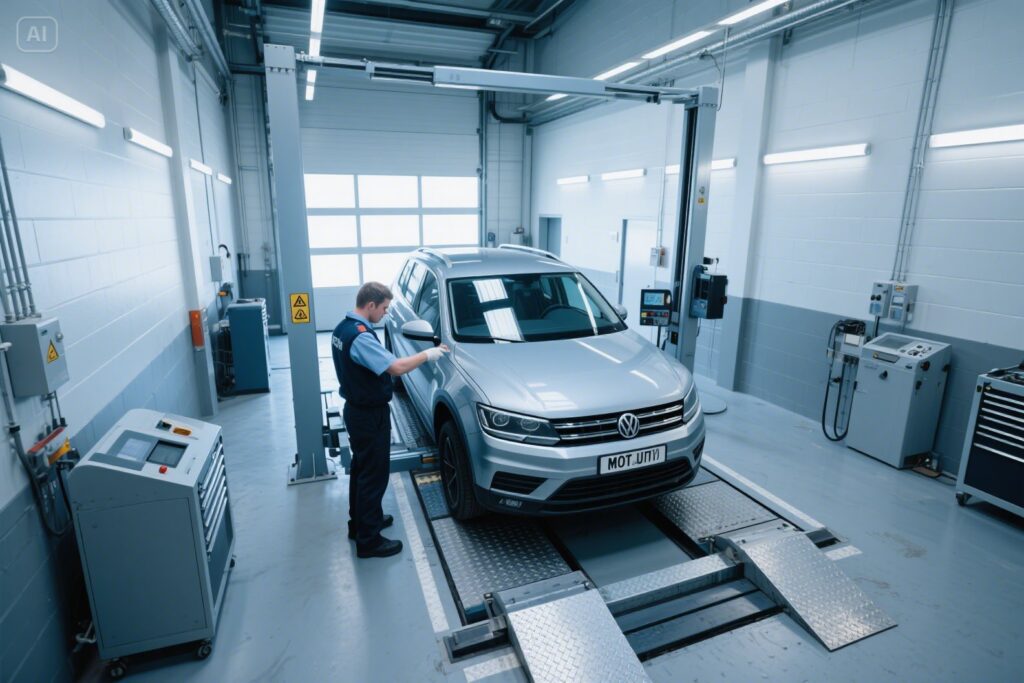
The official “Check MOT history” service on GOV.UK is free and needs only the vehicle’s registration number. You do not need the V5C logbook or to be the registered keeper, which is why it is so useful when buying a used car.
- Search for “Check MOT history” on GOV.UK.
- Enter the registration number exactly as it appears on the number plate.
- Confirm the make and colour match the vehicle you are looking at.
- Review the current expiry date and open each past test result.
What the MOT history shows
- Whether the current MOT is valid and the date it expires
- Every recorded test result, pass or fail
- The defects that caused failures, and any minor defects or advisories
- The mileage recorded at each test
Using an MOT check when buying a used car
The MOT history is one of the best free tools a used-car buyer has. Look for mileage that rises steadily from test to test; a sudden drop or a long flat spell can point to clocking or a replaced instrument cluster and deserves questions. Repeated advisories for the same item (for example, corrosion or worn suspension components) tell you what may need money soon. A long run of failures followed by passes can show a car that has been patched rather than maintained. Compare what you find with the seller’s description and the service history, and remember that a fresh MOT is not a substitute for a proper inspection. If you are shopping for a small hatchback, our Peugeot 208 guide covers what to look for in one popular model.
Get a free MOT reminder
GOV.UK also offers a free MOT reminder service by text or email, sent ahead of the due date. It is a simple way to avoid accidentally driving on an expired certificate.
When your vehicle needs an MOT
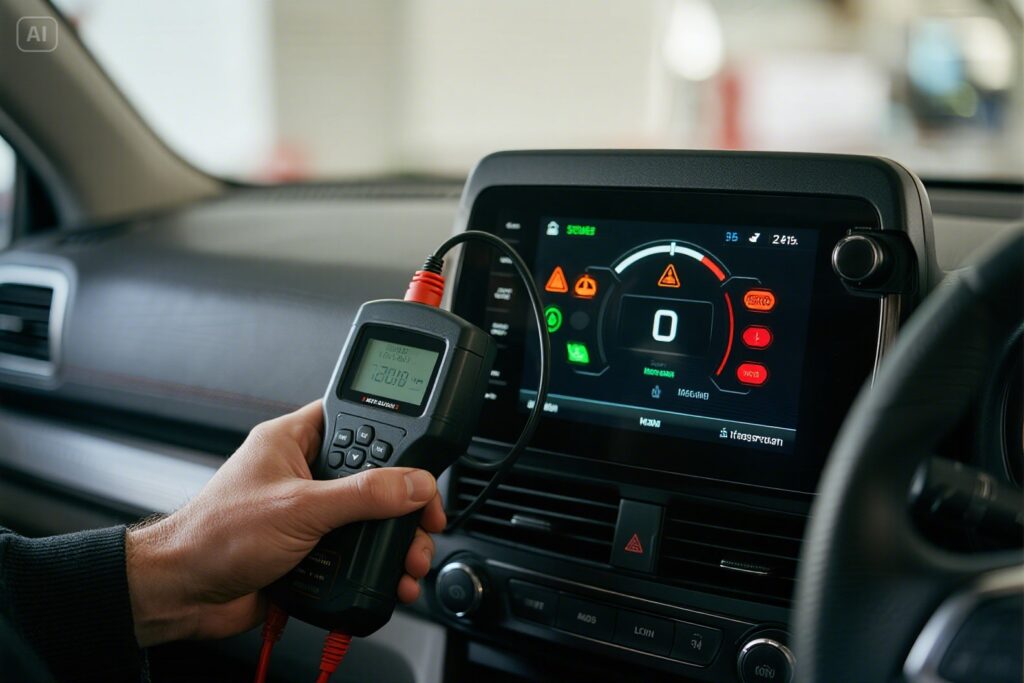
In England, Scotland and Wales, a car or motorcycle needs its first MOT by the third anniversary of its first registration, then once a year. Some vehicles, such as ambulances, taxis and private passenger vehicles with more than eight passenger seats, need a test after one year. The government consulted on moving the first test to four years but decided to keep it at three, so the rule is unchanged for 2026.
You can take the test up to a month (minus a day) before the current certificate expires and still keep the same renewal date, which gives you time to fix any faults without a gap in cover. Northern Ireland runs its own system through the Driver and Vehicle Agency, where cars have their first test at four years old.
Vehicles that do not need an MOT
Most vehicles built or first registered more than 40 years ago are exempt, provided they have not been substantially changed, though the keeper must still keep them roadworthy. Goods vehicles powered by electricity and registered before 1 March 2015, tractors and some other specialist vehicles are also exempt. Larger vehicles such as lorries and buses have their own annual test instead of an MOT.
What the MOT test covers
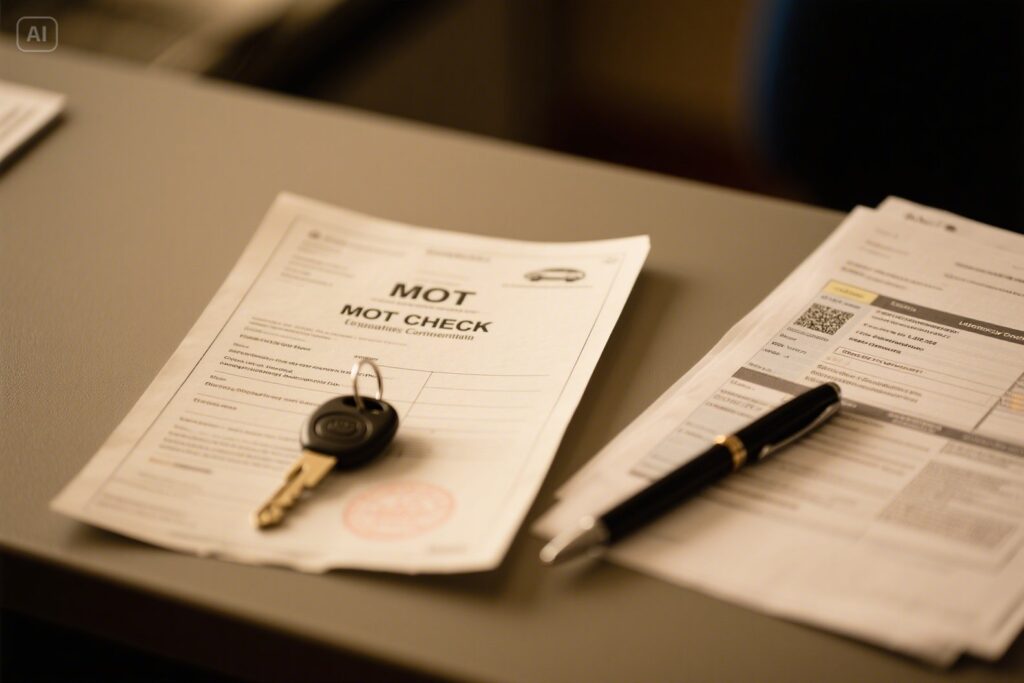
The test is carried out at an approved test centre (look for the blue sign with three white triangles) by a DVSA-authorised tester. It checks that the vehicle meets minimum legal standards for safety and the environment on the day. The main areas include:
- Lights, indicators and the horn
- Brakes, steering and suspension
- Tyres and wheels, including the legal tread depth of 1.6mm for cars
- Seatbelts and seats
- Windscreen, wipers, washers and mirrors
- Exhaust system and emissions
- Body structure, including excessive corrosion near key mounting points
- Fuel system, registration plates and the vehicle identification number
The MOT does not check the engine, clutch or gearbox in detail. It is not a service, and passing does not mean the car is in perfect mechanical condition for the coming year.
How defects are graded
| Category | Meaning | Result |
|---|---|---|
| Dangerous | A direct and immediate risk to road safety or serious environmental impact | Fail; do not drive until repaired |
| Major | May affect safety, put other road users at risk or harm the environment | Fail; repair immediately |
| Minor | No significant effect on safety or the environment | Pass; repair as soon as possible |
| Advisory | Could become more serious in future | Pass; monitor and fix if needed |
How much an MOT costs
The DVSA sets a maximum fee. For a car (up to eight passenger seats) it is £54.85, and for a standard motorcycle it is £29.65. Test centres can charge less, and many independent garages and council test centres do, so it is worth comparing prices locally. Council-run centres are sometimes popular because they carry out tests without doing repairs.
What happens if your car fails
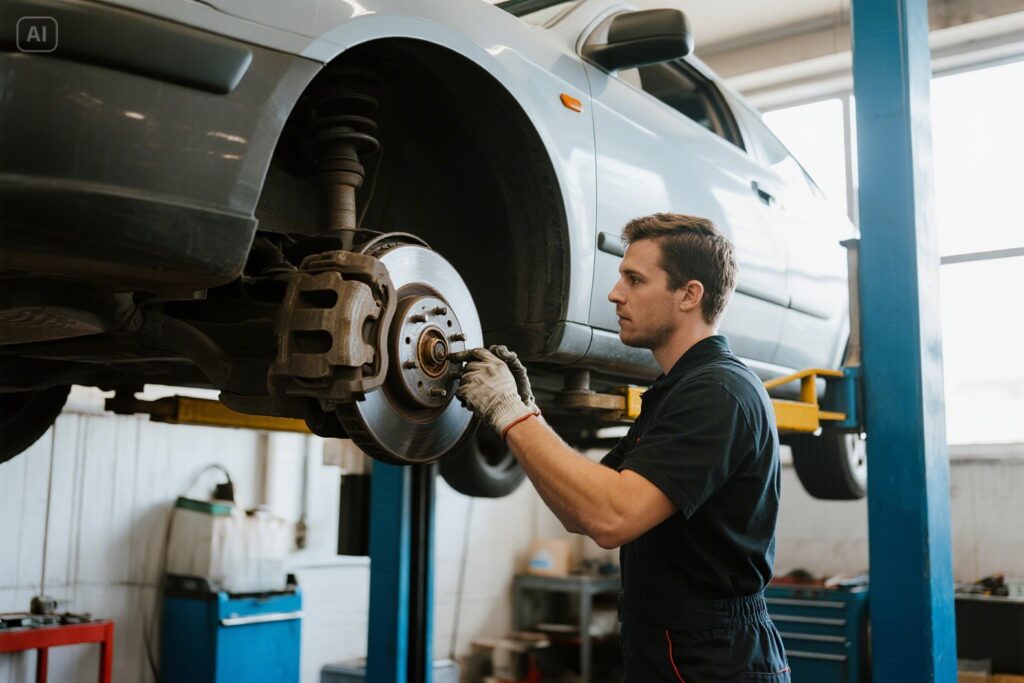
A failed vehicle receives a “refusal of an MOT test certificate” listing the defects. What you can do next depends on the defects and whether your old certificate is still valid:
- Dangerous defects: you must not drive the vehicle until they are repaired, even if your previous MOT has not yet expired.
- Major defects with a valid old certificate: you can legally drive it away to be repaired, but it must still be roadworthy.
- No valid certificate: you can only drive to a pre-booked MOT test or to have defects repaired.
Retest rules
If you leave the vehicle at the test centre for repair and it gets a partial retest within 10 working days, the retest is free. If you take it away and bring it back by the end of the next working day for certain items (such as lights, wipers, mirrors, seatbelts and number plates), there is usually no charge either. Bringing it back within 10 working days for other repairs means a partial retest fee, and after 10 working days it needs a full test again.
Penalties for driving without an MOT
Driving without a valid MOT can lead to a fine of up to £1,000. Driving a vehicle with dangerous problems carries more serious consequences: a fine of up to £2,500, a driving ban and three penalty points. ANPR cameras link to the MOT database, so an expired certificate is easy for police to spot. A lapsed MOT can also cause problems with your insurer if you need to claim, and you cannot renew vehicle tax without a valid MOT.
Tips to pass first time
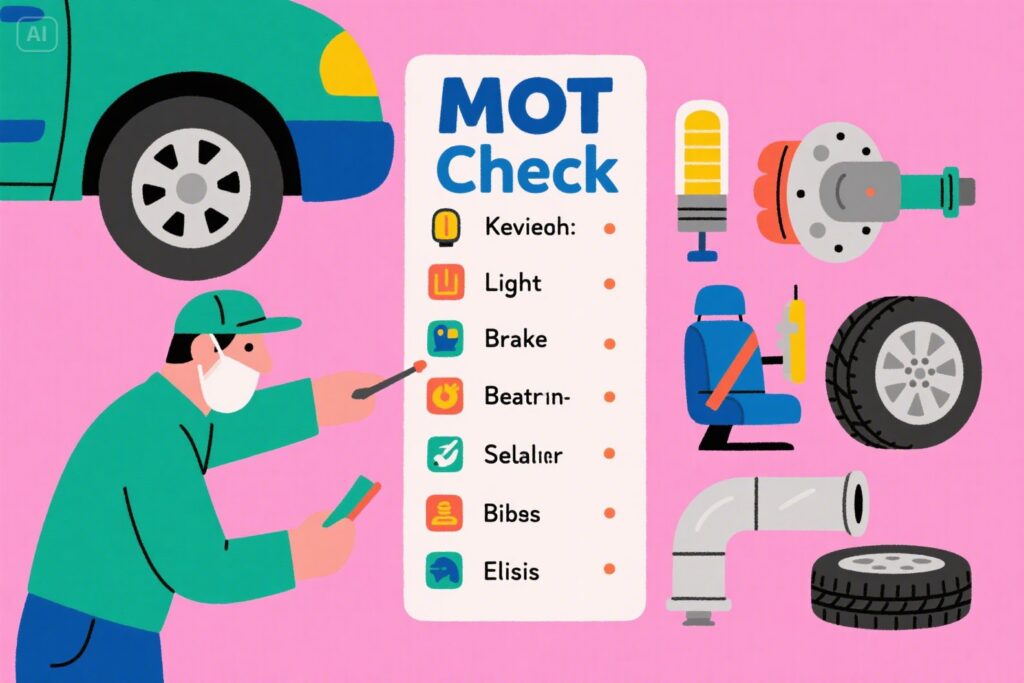
A large share of MOT failures relate to simple items such as bulbs, tyres and visibility. Ten minutes of checks the day before can save a retest:
- Walk round with a helper and test every light, including brake lights, indicators and the number plate lamp.
- Check tyre tread and look for cuts, bulges and correct pressures.
- Top up screenwash and replace split wiper blades.
- Look for chips or cracks in the driver’s line of sight.
- Make sure warning lights such as the engine management or airbag light are not showing.
- Clean the number plates and remove clutter from the cabin and boot so the tester can reach everything.
Common MOT myths
“A pass means the car is safe for a year.” The MOT reflects the condition on the day of the test only. Tyres and brakes keep wearing, so regular servicing still matters.
“Testing early wastes part of your MOT.” Not if you test within the month before expiry: the new certificate runs from the old expiry date.
“Classic cars never need checking.” Exempt vehicles still have to be roadworthy, and owners can choose to have a voluntary MOT.
Frequently asked questions
How do I check if a car has an MOT?
Use the free Check MOT history service on GOV.UK and enter the registration number. It shows whether the MOT is valid, the expiry date and past test results, including mileage.
When does a new car need its first MOT?
In Great Britain, a car needs its first MOT by the third anniversary of its first registration, then every year after that. In Northern Ireland, cars are first tested at four years old.
How much does an MOT cost?
The maximum fee is £54.85 for a car and £29.65 for a standard motorcycle. Test centres can charge less, so compare local prices.
Can I drive my car if it fails the MOT?
Not if it has a dangerous defect. If it only has major defects and your old certificate is still valid, you can drive it to be repaired, as long as it is roadworthy. Without a valid certificate, you can only drive to a pre-booked test or to a repair appointment.
What is the fine for no MOT?
Up to £1,000. Driving a vehicle with dangerous problems can bring a fine of up to £2,500, a driving ban and three penalty points.
This article is general information about UK MOT rules, not legal advice. Check GOV.UK for the latest official guidance.