


Run-DMC and adidas are linked by one of the most famous partnerships in music and fashion history. The Queens hip-hop trio wore laceless adidas Superstar shell-toes, celebrated them in the 1986 single “My Adidas” and, after fans held their trainers aloft at a Madison Square Garden show that July, signed an endorsement deal with adidas, widely recognised as the first sneaker deal for anyone outside sport. That moment helped turn the Superstar from a 1969 basketball shoe into a streetwear icon.
| Quick facts | Details |
|---|---|
| Group | Run-DMC: Joseph “Run” Simmons, Darryl “DMC” McDaniels, Jason “Jam Master Jay” Mizell |
| Hometown | Hollis, Queens, New York City |
| The shoe | adidas Superstar, introduced in 1969 as a basketball shoe |
| The song | “My Adidas”, released 1986 on the album Raising Hell |
| The turning point | Madison Square Garden concert, 19 July 1986 |
| The deal | Reported at around $1 million in 1986 (Guinness World Records lists $1.6 million) |
| Record | Guinness World Records: first non-sporting sneaker endorsement |
| Signature shoes by 1988 | Ultrastar, Eldorado, Fleetwood and Brougham |
The adidas Superstar before Run-DMC
adidas introduced the Superstar in 1969 as a low-top basketball shoe. Its leather upper, rubber shell toe (designed to protect players’ toes on court) and herringbone-pattern rubber outsole made it tough and grippy, and it became popular with professional basketball players in the early 1970s. As basketball footwear moved on, the Superstar found a second life on the streets of New York, where its clean leather look and distinctive toe made it a favourite of young people in the emerging hip-hop scene.
Who were Run-DMC?
Run-DMC formed in Hollis, Queens, in the early 1980s and released their first single in 1983. The trio, Joseph Simmons (Run), Darryl McDaniels (DMC) and DJ Jason Mizell (Jam Master Jay), brought a hard, stripped-back sound to rap and are widely credited with taking hip-hop into the mainstream. Their 1986 cover of Aerosmith’s “Walk This Way”, recorded with the band, became a major crossover hit, and in 2009 Run-DMC were inducted into the Rock and Roll Hall of Fame. Jam Master Jay was killed in 2002, after which the group stopped performing as Run-DMC for many years.
A look built on the street

Run-DMC deliberately dressed like their audience rather than like glam stage performers. Their uniform was black: black jeans or tracksuits, leather jackets, black fedoras, gold chains and white Superstars worn without laces and with the tongues pushed out. The laceless style was borrowed from New York street fashion, often linked to the way prisoners had their laces removed, and the group turned it into a signature.
“My Adidas” and the Madison Square Garden moment
In 1986 Run-DMC released Raising Hell, which included “My Adidas”. Released as a single on 29 May 1986, the song was a tribute to the trainers they wore every day, and it reached the top five of Billboard’s R&B/hip-hop singles chart. Importantly, the group had no deal with adidas when they recorded it.
Their co-manager, Lyor Cohen, saw an opportunity and invited adidas executive Angelo Anastasio to see the group perform. At the Raising Hell tour’s Madison Square Garden show on 19 July 1986, during “My Adidas”, Run asked the crowd to hold up their adidas. Thousands of trainers went up into the air. For a sportswear company that had never thought of musicians as marketing partners, it was a striking demonstration of influence.
The endorsement deal
adidas signed Run-DMC to an endorsement deal in 1986. The figure most often reported is $1 million, while Guinness World Records lists the deal at $1.6 million and recognises it as the first non-sporting sneaker endorsement. Either way, it was unprecedented: until then, shoe brands signed athletes, not rappers. The deal showed that music, and hip-hop in particular, could shift product just as effectively as sport.
Run-DMC signature shoes and clothing
The partnership went well beyond the Superstar. By 1988 adidas had released several Run-DMC shoes, including:
- Ultrastar: a Superstar variant with an elasticated tongue designed to be worn without laces.
- Eldorado and Fleetwood: high-top models.
- Brougham: a low-top model.
The model names nodded to Cadillac cars, which fitted the group’s love of classic American status symbols. adidas also produced Run-DMC branded clothing such as tracksuits, sweatshirts and T-shirts, and the brand was involved with the group’s 1988 film Tougher Than Leather.
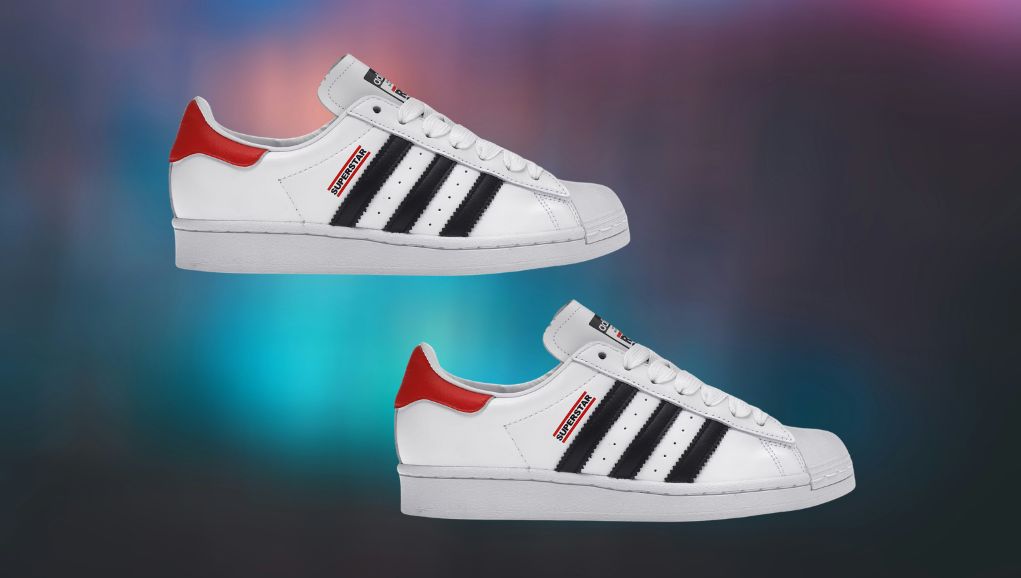
Run-DMC and adidas timeline
Putting the key dates side by side shows how quickly the relationship moved from fandom to business, and how long its influence has lasted.
| Year | What happened |
|---|---|
| 1969 | adidas introduces the Superstar basketball shoe |
| 1983 | Run-DMC release their first single, already wearing Superstars |
| 1986 | “My Adidas” released on 29 May; Madison Square Garden show on 19 July; endorsement deal signed |
| 1988 | Signature models (Ultrastar, Eldorado, Fleetwood, Brougham) on sale; film Tougher Than Leather released |
| 2001 | adidas launches its Originals lifestyle line |
| 2002 | Jam Master Jay is killed |
| 2009 | Run-DMC inducted into the Rock and Roll Hall of Fame |
The gap between the song and the signed deal was only a matter of months, which is remarkable for a large corporation in the 1980s and shows how persuasive the Madison Square Garden moment was.
How the partnership changed sneaker culture
The Run-DMC deal is often described as the starting point of the modern artist collaboration. Its influence shows up in several ways:
- Music as marketing: other brands quickly signed rappers in the late 1980s, and today partnerships between footwear brands and musicians are a central part of the industry.
- Streetwear as fashion: tracksuits and trainers moved from sport and the street into mainstream fashion, a path that leads directly to today’s lifestyle sneaker market.
- Heritage value: the partnership gave adidas lasting credibility in hip-hop. The brand’s lifestyle line, adidas Originals, launched in 2001 and leans heavily on archive models like the Superstar.
- Collecting culture: signature shoes, tribute releases and limited editions helped build the sneaker collecting scene that exists today.
It is a reminder of how a single public figure can change what people buy, much like the sell-out effect seen with royal outfits in our piece on Kate Middleton’s fashion influence.
The Superstar shoe today
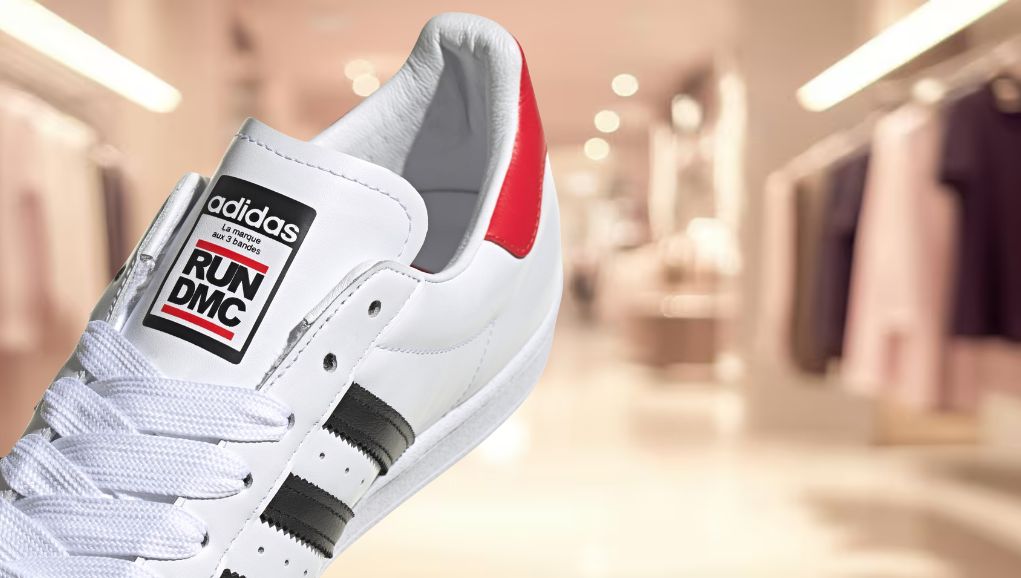
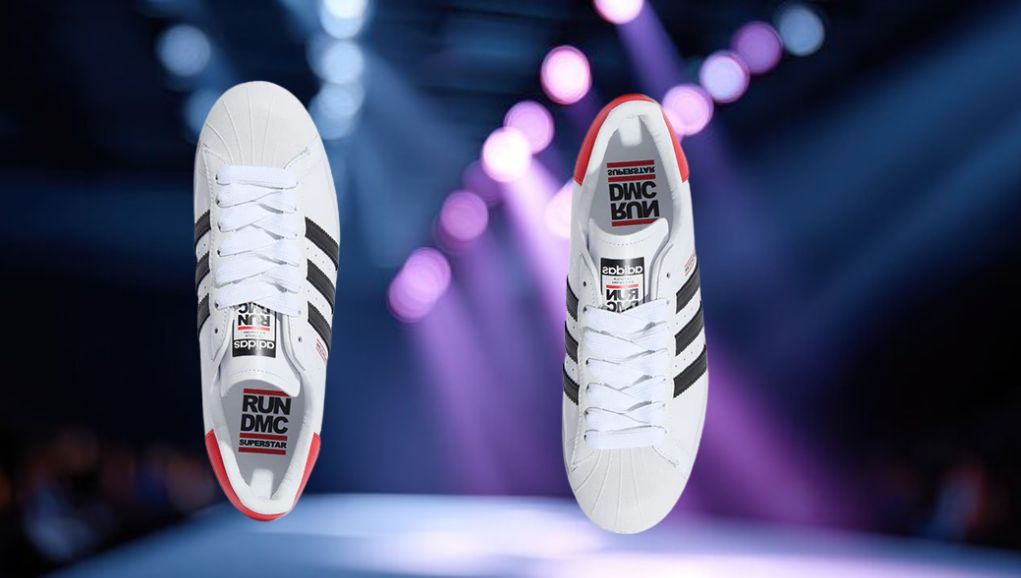
The Superstar remains part of adidas Originals’ core range, with the same basic recipe: leather upper, rubber shell toe, serrated three stripes and a cupsole with a herringbone tread. adidas has released anniversary editions, Run-DMC tribute versions and many collaborations over the years, as well as versions using alternative materials. Exact specifications, materials and prices vary between releases and retailers, so check the product listing for the version you are buying.
Tips if you are buying a pair
- Sizing: many wearers find Superstars run slightly roomy, so try them on or check the retailer’s size guide before ordering.
- Comfort: the flat cupsole is built for casual wear, not running or sport. Leather uppers soften with wear.
- Going laceless: to recreate the Run-DMC look, choose a pair that fits snugly or try the Ultrastar-style slip-on versions when available.
- Vintage and collectable pairs: buy from reputable resellers, ask for clear photos of the size tag and sole, and be cautious with prices that look too good to be true. Old pairs can also have crumbling soles even if they look unworn.
- Care: wipe leather with a damp cloth and mild soap, and scrub the shell toe and sole with a soft brush. Avoid putting leather pairs in the washing machine.
Why the story still resonates
Run-DMC’s adidas story endures because it was authentic. The group wore Superstars long before they were paid to, wrote a song about them because they genuinely loved them, and proved their influence in front of a sold-out arena. That sequence, from real fan to official partner, is still the model brands try to recreate. It also captures a moment of 1980s culture that continues to inspire nostalgic fashion and design, from vintage trainers to retro cameras like the ones covered in our Polaroid Stranger Things article.
Frequently asked questions
What adidas shoes did Run-DMC wear?
They are best known for the adidas Superstar, the leather shell-toe trainer they wore without laces. adidas later released Run-DMC signature models including the Ultrastar, Eldorado, Fleetwood and Brougham.
When did Run-DMC sign with adidas?
In 1986, after adidas executives saw fans hold up their trainers during “My Adidas” at the group’s Madison Square Garden concert on 19 July 1986.
How much was the Run-DMC adidas deal worth?
It is most often reported as $1 million. Guinness World Records lists it at $1.6 million and recognises it as the first sneaker endorsement for anyone outside sport.
Why did Run-DMC wear their adidas without laces?
The laceless look came from New York street style of the time and is often linked to prison rules that removed laces. Run-DMC made it their signature.
When was the adidas Superstar first released?
adidas introduced the Superstar in 1969 as a low-top basketball shoe with a rubber shell toe.