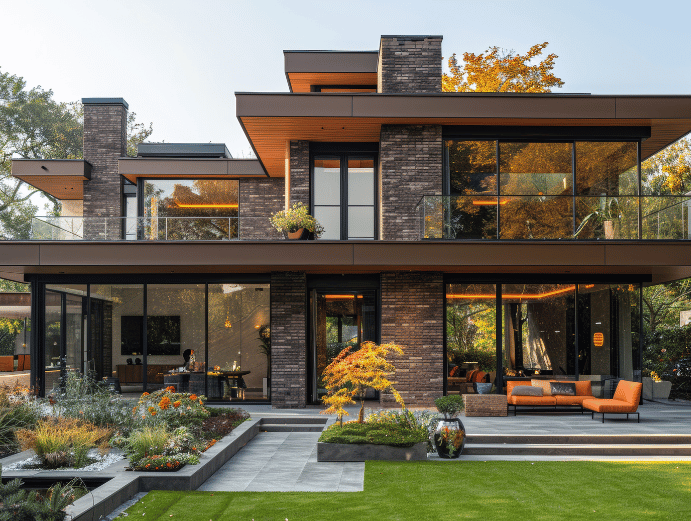

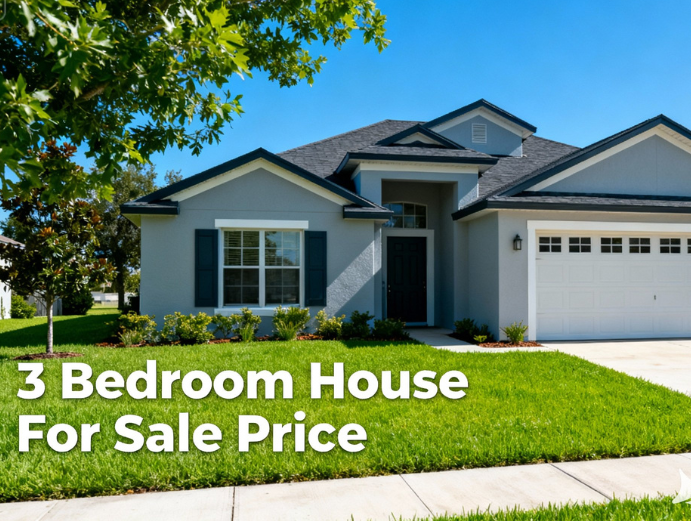
Understanding the 3 bedroom house for sale price is essential for buyers looking to make a well-informed and confident property purchase. Prices for three-bedroom homes vary significantly based on location, property condition, furnishing status, and broader market trends.
Factors such as whether a home is a new build or an older property, furnished or unfurnished, and situated in a high-demand area all play a crucial role in determining value. By analyzing current market conditions, regional price differences, and economic influences, buyers can better evaluate their options and identify properties that offer both lifestyle suitability and long-term investment potential.
| Category | Key Information |
| 3 Bedroom House For Sale Price | Price Range Influencers |
| Price Range Influencers | Location, size, condition, furnishing, market demand |
| New Build Homes | Higher prices due to modern design, energy efficiency, warranties |
| Older Homes | More affordable upfront, may require renovation costs |
| Furnished Properties | Higher sale price, immediate move-in convenience |
| Unfurnished Properties | Lower price, customization flexibility |
| Market Trends | Post-pandemic demand for larger homes, price stabilization |
| Regional Differences | Urban areas priced higher than suburban and rural areas |
| Economic Factors | Interest rates, employment levels, consumer confidence |
| Location Impact | Proximity to schools, transport, amenities increases value |
| Property Condition | Renovated homes sell at a premium |
| Buyer Strategy | Compare neighborhoods, assess long-term value |
3 Bedroom House For Sale Price
The 3 Bedroom House For Sale Price varies widely depending on factors such as location, property size, condition, and current market demand. Homes in prime or urban areas typically command higher prices due to better amenities, transport links, and school access, while suburban or rural locations often offer more affordable options.
New-build three-bedroom houses generally cost more than older properties because of modern designs and energy efficiency, though older homes may provide better value and larger plots. Overall, understanding local market trends and comparing prices across neighborhoods is essential for buyers seeking the best value in a three-bedroom home.
A three-bedroom house for sale price is influenced by several key factors, including location, property condition, and market demand, making it essential for buyers to carefully evaluate their options before purchasing. Generally, homes in urban or highly desirable areas tend to be priced higher due to better access to schools, transport, and amenities, while suburban or rural properties are more affordable.
New-build three-bedroom homes usually cost more because of modern designs, energy efficiency, and reduced maintenance needs, whereas older homes are often cheaper but may require renovation and additional investment. Furnished properties also come at a premium since they offer convenience and immediate move-in readiness, while unfurnished homes provide lower upfront costs and more flexibility for customization.
Price Differences
New Build Homes
New builds often command higher prices compared to older homes due to various factors. These properties typically feature modern designs, energy-efficient materials, and the latest technology, which can appeal to buyers looking for contemporary living spaces. In many cases, new builds come with warranties, reducing concerns about immediate maintenance and repairs. Additionally, developers often invest in attractive landscaping and amenities to enhance the property’s overall appeal.
New builds are often located in developing neighborhoods that may benefit from infrastructure projects, increasing their value over time. However, buyers should be aware that new builds may also come with additional costs, such as ground rent, service charges, and associated fees that could affect overall expenditure.
Older Homes
Older homes, while often less expensive, present different advantages and challenges. Many older homes boast unique architectural features, character, and historical significance. They may also provide larger plots of land, especially in less urbanized areas.
However, buyers should consider potential renovation costs when purchasing an older home. Outdated wiring, plumbing, and insulation systems can require significant investment to bring the home up to modern standards.
Although older homes are usually more affordable upfront, the total cost of ownership might rise due to ongoing maintenance needs. Buyers must weigh the allure of a charming older property against the potential for high hidden costs in repairs and upgrades.
Furnished vs. Unfurnished Properties
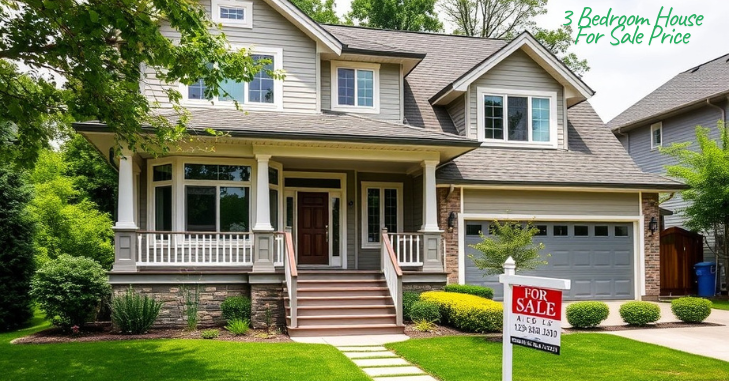
Furnished Homes
Buying a furnished home typically means that the property comes with essential furniture and appliances, which can provide immediate comfort and convenience for homeowners. However, furnished homes often carry a premium price tag. This additional cost can reflect not only the value of the furniture but also the time and labor saved in moving and setting up.
Furnished properties attract specific buyers, including those looking for rental investments or those moving in from distant locations. However, prospective buyers should conduct thorough evaluations of the quality and condition of the furnishings, as the value retained in existing furniture can vary. In some cases, buyers may prefer to negotiate on the price based on the condition of the furniture included in the sale.
Unfurnished Homes
Unfurnished homes typically sell for lower prices due to the absence of furniture and appliances. This option allows buyers to personalize their spaces according to their tastes and needs, but it also requires additional investment in furniture and fitting out the home.
Unfurnished properties can be more appealing to budget-conscious buyers or those looking for long-term investment opportunities.
One advantage of unfurnished properties is that they can be more flexible regarding tenant agreements if the buyer chooses to rent out the home later. Tenants often prefer unfurnished options, as they can bring their furniture and create a living environment that reflects their personality.
Current Price Trends in the Property Market
General Market Overview
The property market, particularly for three-bedroom homes, showcases various trends influenced by economic conditions, interest rates, and supply and demand dynamics. Following the pandemic, there was an initial surge in demand for larger homes as families sought more space and flexibility, leading to rising prices in many regions.
Regional Differences
Price trends can vary significantly by region. Areas with economic growth, access to good schools, and amenities tend to see higher prices for three-bedroom homes. In contrast, regions experiencing economic downturns might witness stagnation or declines in property prices. Urban areas often command higher prices than rural regions, as they offer more services, entertainment options, and job opportunities.
Economic Factors
Economic factors such as interest rates play a crucial role in shaping property prices. As interest rates rise, borrowing becomes more expensive, leading to reduced demand for homes and potential price corrections. Conversely, lower interest rates can stimulate buying activity, driving prices higher. Monitoring these economic indicators can help buyers make informed decisions.
Future Price Predictions
Market analysts indicate that in the medium term, property prices may stabilize or undergo moderate increases, depending on economic recovery and demand for housing. Buyers should remain cautious but optimistic, as long-term investments in three-bedroom homes in desirable locations have historically resulted in appreciation over time.
Other Price Influencing Factors

- Location: Location is one of the most significant factors influencing property prices. Homes situated in sought-after neighborhoods or those with proximity to amenities such as schools, parks, shopping centers, and transport links typically command higher prices. Buyers should prioritize location based on their needs and consider potential future developments that could enhance the area’s desirability.
- Property Condition: The condition of a property greatly affects its price. Homes that are well-maintained or recently renovated are often sold at a premium, while properties that require extensive work may be priced lower but may necessitate additional investment after purchase. Buyers should account for potential renovation costs when evaluating the value of older homes.
- Market Demand: Supply and demand dynamics influence pricing significantly. In a competitive market with limited inventory, buyers may be willing to pay more for three-bedroom homes. Conversely, in a buyer’s market with an oversupply of homes, pricing may be more negotiable, and buyers can often find better deals.
- Economic Indicators: Beyond interest rates, broader economic indicators such as employment rates, consumer confidence, and wage growth play a role in shaping the housing market. A strong economy generally supports higher property prices due to increased disposable income and greater purchasing power among potential buyers.
Conclusion
Understanding the price differences in the housing market, particularly for three-bedroom homes, involves various considerations. By examining the distinctions between new builds and older homes, assessing the impact of furnished versus unfurnished properties, and analyzing current price trends, buyers can make informed decisions.
Location, property condition, and market demand further shape pricing dynamics, highlighting the importance of thorough research and due diligence. With a thoughtful approach, prospective buyers can navigate the complexities of the housing market and identify properties that meet their needs and investment goals. Whether seeking a charming older home or a modern new build, the right property can provide lasting value and satisfaction as part of a well-considered investment strategy.
Want to know about Bungalows: Timeless Homes That Blend Comfort, Style, and Connection to Nature Check out our Real Estate category.
FAQs
The location of a property significantly impacts its market value. Homes in desirable neighborhoods with access to good schools, amenities, and transport links typically command higher prices compared to those in less accessible or less popular areas.
During a property viewing, check the overall condition, layout, and natural light of the home. Pay attention to any necessary repairs, the state of appliances, and the general feel of the neighborhood. Also, ask about the age of the roof, plumbing, and electrical systems.
Whether it’s a good time to buy depends on personal circumstances, market conditions, and economic indicators. If property values are expected to rise, it may be wise to act sooner rather than later, but each buyer should assess their financial situation and long-term goals.