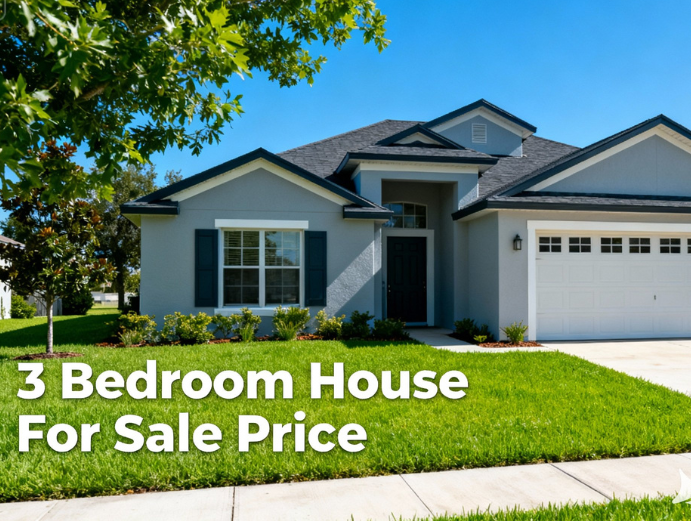

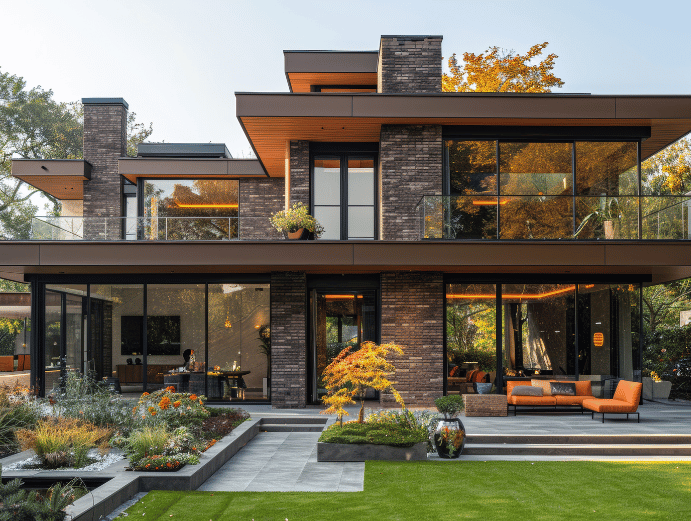
Bungalows are more than just homes; they are a lifestyle choice that blends comfort, practicality, and aesthetic appeal. Typically single-story, these homes are designed to maximize accessibility and ease of movement, making them ideal for families, the elderly, and anyone who values convenience. What sets bungalows apart is their seamless integration with the surrounding environment: wide verandas, patios, and gardens extend living spaces outdoors, while large windows and open floor plans allow natural light and fresh air to flow throughout.
Traditionally built with materials such as wood, stone, or brick, bungalows offer a sense of warmth and grounding, while modern interpretations incorporate glass, steel, and concrete for a contemporary edge. Beyond architecture, bungalows promote a slower, more relaxed way of living, encouraging interaction with nature and fostering a cozy, intimate atmosphere.
| Aspect | Details |
| Bungalows | Single-story homes combine comfort, functionality, and aesthetic appeal, promoting accessibility, natural light, and connection to the outdoors. |
| History | Originating in India during the British colonial period, the term “bangla” from Bengal, spread to Europe and North America, and was popularized in the U.S. as Craftsman bungalows. |
| Defining Features | Single-story, low-pitched roofs, wide porches/verandas, open floor plans, large windows, natural materials (wood, stone, brick). |
| Types | Craftsman, California, Ranch, English, Modern/Contemporary; styles vary by region and cultural influence. |
| Advantages | Accessibility, energy efficiency, privacy, connection with nature, and low maintenance. |
| Interior Design | Open layouts, built-in storage, natural light, warm materials, functional spaces. |
| Modern Trends | Eco-friendly features, smart home technology, minimalist design, outdoor living spaces, mixed materials (wood, glass, concrete, metal). |
| Global Adaptations | India: courtyard bungalows; U.S.: Craftsman & California; U.K.: brick-built; Australia: wide, airy verandas. |
| Construction & Cost | Land size, materials, and design affect cost; allows customization; maintenance focused on roofs and foundations. |
| Landscaping & Outdoor Features | Front porches, gardens, pathways, patios, and privacy elements like hedges, fences, and pergolas. |
Bungalows
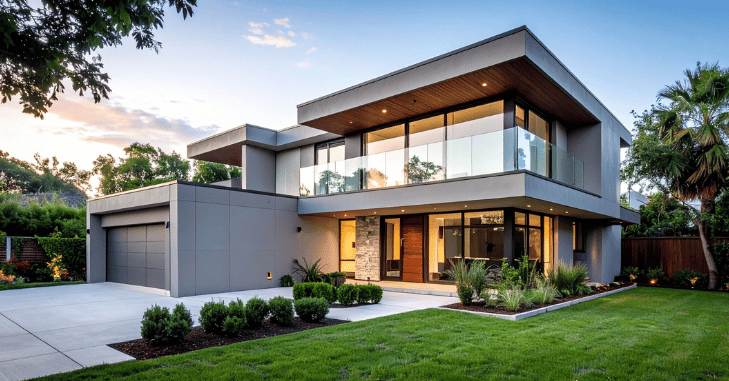
Bungalows are a distinctive type of residential home that combines simplicity, functionality, and charm in a single-story design. Originating in India during the British colonial period, the bungalow was designed for tropical climates, featuring wide verandas, open layouts, natural ventilation, and thatched roofs.
Over time, the concept spread globally, adapting to various regional styles and cultural preferences, from Craftsman and California bungalow styles in the United States to brick-built versions in the United Kingdom and airy, veranda-focused designs in Australia. Characterized by low-pitched roofs, spacious interiors, large windows, and natural materials such as wood, stone, or brick, bungalows emphasize comfort, accessibility, and a strong connection to the outdoors.
Their layouts often include open floor plans, front porches, and landscaped gardens, creating a harmonious blend of indoor and outdoor living. Modern bungalows continue to evolve, incorporating eco-friendly technologies, smart home features, and minimalist aesthetics, while retaining the timeless appeal that has made them popular for over a century.
Overview of Bungalows: Design, Lifestyle, and Key Features
A bungalow is a single-story residential home that emphasizes comfort, accessibility, and a strong connection with the outdoors, making it a popular choice for families, retirees, and anyone seeking practical living without stairs. Originating in India during the colonial era, bungalows have evolved across different regions, adopting styles such as Craftsman in the United States, brick-built versions in the United Kingdom, and airy veranda-style designs in Australia.
These homes are typically characterized by low-pitched roofs, wide porches, open floor plans, and large windows that allow natural light and ventilation throughout the space. Modern bungalows often incorporate eco-friendly materials, smart home features, and minimalist designs while still maintaining their traditional charm. Because of their layout, they are easier to maintain, energy-efficient, and ideal for creating a relaxed lifestyle that blends indoor comfort with outdoor living.
History of Bungalows
- The concept of the bungalow originated in India during the British colonial period.
- The term is derived from the Hindi word “bangla,” referring to a type of house in the Bengal region.
- Original bungalows were single-story homes with wide verandas, designed to suit tropical climates.
- They were typically built for British officials and featured open layouts, natural ventilation, and thatched roofs.
- In the late 19th and early 20th centuries, the bungalow style spread to Europe and North America, adapting to Western lifestyles.
- In the United States, the Craftsman bungalow became especially popular in the early 1900s, emphasizing simplicity, handcrafted details, and integration with nature.
Defining Features of a Bungalow
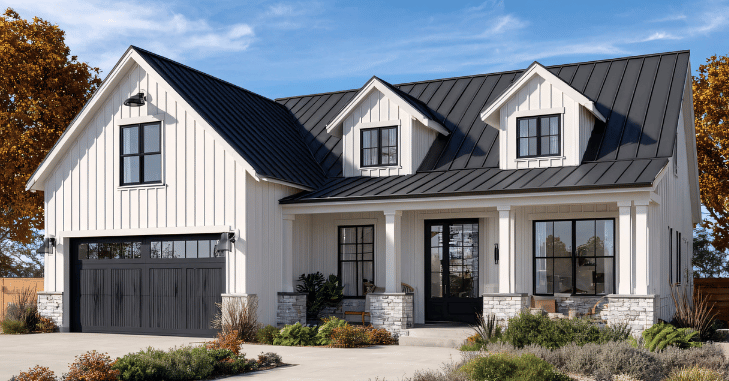
| Feature | Description |
| Single-Story Design | Typically one level, sometimes with an attic or partially finished basement |
| Low-Pitched Roofs | Gabled or hipped roofs that create a relaxed, grounded appearance |
| Wide Porches/Verandas | Provide an outdoor living space and a transition between indoors and outdoors |
| Open Floor Plans | Spacious interiors with minimal separation to encourage flow and accessibility |
| Large Windows | Maximize natural light and ventilation, often with multi-pane or bay designs |
| Natural Materials | Wood, stone, or brick is used to blend the home with its surroundings |
Types of Bungalows
Bungalows are diverse in design, reflecting different cultural and regional influences. Common types include:
- Craftsman Bungalow: Originating in the U.S., this style emphasizes handcrafted woodwork, exposed beams, built-in cabinetry, and a connection to nature.
- California Bungalow: Popular in the early 20th century, it is characterized by low-pitched roofs, large front porches, and simple, efficient layouts.
- Ranch Bungalow: A combination of bungalow and ranch-style homes, this type features long, low structures with open floor plans, common in suburban America.
- English Bungalow: Often constructed with brick, featuring steeply pitched roofs, chimneys, and small gardens.
- Modern/Contemporary Bungalow: Uses modern materials like steel and glass, emphasizing minimalism, sustainability, and energy efficiency.
Advantages of Living in a Bungalow
Bungalows offer numerous practical and aesthetic benefits that make them highly appealing to homeowners. Their single-story design provides exceptional accessibility, making them ideal for elderly residents, young children, or anyone with mobility challenges.
In addition, bungalows are often more energy-efficient than multi-story homes, as smaller spaces are easier to heat and cool, and many modern designs incorporate sustainable features to further reduce energy consumption.
With thoughtful landscaping, bungalows can also offer greater privacy and outdoor space, allowing residents to enjoy a serene environment away from neighboring properties. The design of bungalows emphasizes a strong connection with nature, featuring verandas, gardens, and the use of natural materials, which creates a harmonious and calming atmosphere.
Interior Design of Bungalows
The interior of a bungalow typically emphasizes comfort and functionality:
- Open Layouts: Living, dining, and kitchen areas often flow seamlessly.
- Built-in Storage: To maximize space without cluttering rooms.
- Natural Light: Skylights, large windows, and glass doors enhance brightness and airflow.
- Warm Materials: Hardwood floors, wooden beams, and stone accents create a cozy atmosphere.
- Functional Spaces: Bedrooms, bathrooms, and kitchens are designed for convenience and ease of movement.
Modern Trends in Bungalow Design
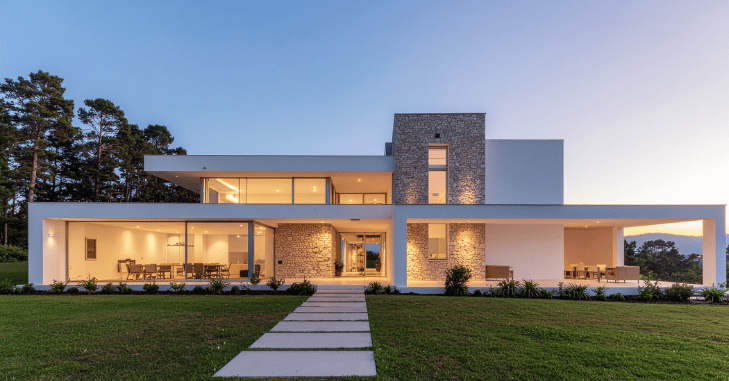
While traditional bungalows remain timeless in their charm, modern bungalows are evolving to meet contemporary needs and lifestyles. Many now incorporate eco-friendly features such as solar panels, rainwater harvesting systems, and energy-efficient appliances, reflecting a growing emphasis on sustainability.
Smart home technology is also becoming common, with integrated systems for lighting, security, and climate control that enhance convenience and comfort. Modern bungalows often embrace a minimalist aesthetic, characterized by clean lines, neutral color palettes, and functional furniture that maximizes space and simplicity.
Outdoor living spaces have become a key element, with patios, decks, and landscaped gardens extending usable areas and creating seamless connections between indoor and outdoor environments. Additionally, modern designs frequently use a mix of materials, combining wood, glass, concrete, and metal to achieve a sleek and contemporary appearance while maintaining the warmth and character associated with traditional bungalows.
Bungalows Around the World
| Country/Region | Bungalow Style | Key Features |
| India | Courtyard Bungalows | Open verandas, tropical gardens, designed for ventilation and hot climates |
| United States | Craftsman & California Bungalows | Single-story, handcrafted details, spacious layouts, popular in suburban neighborhoods |
| United Kingdom | Brick-Built Bungalows | Pitched roofs, cozy gardens, and durable materials suited to cooler climates |
| Australia | Wide, Airy Bungalows | Large verandas, open layouts, emphasis on outdoor living in warm climates |
Cost and Construction Considerations
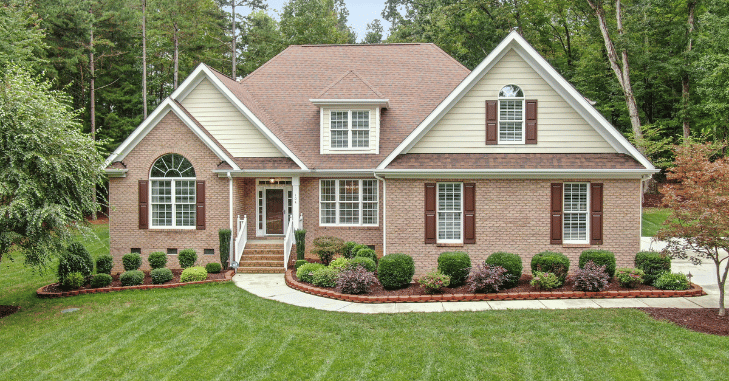
Constructing a bungalow involves factors like land size, materials, and design complexity:
- Cost Efficiency: Bungalows generally require more land per square foot, which can increase costs in urban areas.
- Material Choice: Wood and brick are traditional; concrete and steel are more common in modern bungalows.
- Customization: Bungalows allow flexible layouts for personal preferences, such as integrating home offices, terraces, or garden spaces.
- Maintenance: Roofs and foundations require attention, especially in areas prone to rain or flooding.
Landscaping and Outdoor Features
A bungalow’s charm often extends beyond its walls to the surrounding environment, which plays a significant role in its overall appeal. Front porches enhance curb appeal and provide comfortable seating for relaxation and socializing. Well-designed gardens, including flower beds, lawns, and trees, soften the structure and add a touch of natural beauty that complements the home’s architecture.
Pathways and patios create functional outdoor spaces ideal for entertainment, dining, and leisure. Additionally, elements such as hedges, fences, and pergolas enhance privacy, offering a sense of seclusion from neighbors while improving the property’s aesthetic appeal.
Conclusion
Bungalows represent a perfect balance of simplicity, comfort, and timeless design. Whether rooted in traditional styles or modern interpretations, they offer practical living solutions while fostering a connection to nature. Their single-story layout, wide verandas, and open interiors make bungalows ideal for families, retirees, and anyone seeking a relaxed, accessible, and aesthetically pleasing home.
In a world where urban living often emphasizes high-rise apartments, bungalows remain a testament to the enduring appeal of human-scale architecture where warmth, comfort, and style come together under one roof.
Want to know about Cheap Houses for Sale in the UK: Affordable Locations, Price Ranges, and Opportunities for Affordable Homeownership Check out our Real Estate category.
FAQs
Originally from India, bungalows have gained popularity worldwide as accessible, endearing, and functional homes; they occasionally feature an additional half-story or dormer windows built into the roof.
A bungalow is often a tiny, detached, one-storey house without stairs, though it may also contain a basement, an attic, and an additional partial story. The house, sometimes referred to as a cottage, typically features a covered front porch, one or two bathrooms, and two to four bedrooms.
A single-story house is called a bungalow. It is situated on its own property. There are no stairs or neighbors either above or below.
Retirees frequently choose bungalows because they provide a reasonable living area that is simpler to maintain than a multi-story house.
Generally, a bungalow is a single-story, detached home, though some may have a second story due to a loft conversion.