


Cottage cheese protein is a highly versatile and nutrient-dense source of protein that offers unique benefits compared to other dairy and animal proteins. Unlike many fast-digesting protein sources, cottage cheese is rich in casein protein, which is absorbed slowly by the body. This slow digestion provides a steady supply of amino acids to the muscles over several hours, making it especially beneficial for overnight recovery or long periods without food.
Cottage cheese protein is also complete, meaning it contains all nine essential amino acids needed for muscle repair, enzyme production, and overall metabolic support. In addition to its protein content, cottage cheese delivers important micronutrients such as calcium, phosphorus, selenium, and B vitamins, which contribute to bone health, energy metabolism, and immune function.
| Feature | Details |
| Protein Content | 10–14 g per 100g depending on variety and fat content |
| Protein Type | Mostly casein (slow-digesting), a small amount of whey (fast-digesting) |
| Amino Acids | Complete protein with all 9 essential amino acids |
| Calories | Whole milk: ~98 kcal / Low-fat/skim: ~72 kcal per 100g |
| Fat | Whole milk: 4 g / Low-fat: 0.2–2 g |
| Saturated Fat | Whole milk: 2.7 g / Low-fat: 0.1–1.2 g |
| Carbohydrates | 3–4 g per 100g |
| Calcium & Phosphorus | Calcium: 83–100 mg / Phosphorus: 120–125 mg per 100g |
| Sodium | 364–400 mg per 100g (low-sodium options available) |
| Key Benefits | Supports muscle growth, recovery, satiety, bone health, and blood sugar control |
| Best Timing | Pre-bed, between meals, or post-workout |
| Dietary Considerations | Not suitable for milk allergies; lactose-intolerant individuals may need lactose-free options |
Cottage Cheese Protein

Cottage cheese Protein is one of the standout features that make this dairy product a favorite among health-conscious individuals, athletes, and fitness enthusiasts. Rich in high-quality, complete protein, cottage cheese contains all nine essential amino acids that the body cannot produce on its own.
This makes it an excellent option for supporting muscle growth, tissue repair, and overall recovery after exercise. A typical 100-gram serving of cottage cheese provides approximately 11–14 grams of protein, depending on the fat content and brand, making it a dense and convenient protein source. What sets cottage cheese protein apart is its combination of casein and whey proteins, with casein being a slow-digesting protein that supplies a steady release of amino acids.
Cottage cheese protein also contributes to feelings of satiety, helping with appetite control and weight management, while delivering essential nutrients like calcium, phosphorus, and B vitamins. Whether eaten on its own, added to smoothies, or paired with fruits and nuts, cottage cheese provides a versatile, nutrient-rich way to boost daily protein intake.
Protein Content in Cottage Cheese

Cottage cheese is a rich source of protein, with approximately:
- Small-curd, low-fat (100g): ~11–12 g protein
- Large-curd, whole milk (100g): ~10 g protein
- Low-fat or skim varieties (100g): 12–14 g protein
Casein Protein: The Slow-Release Advantage
The primary protein in cottage cheese is casein, a slow-digesting milk protein. Unlike whey protein, which is rapidly absorbed, casein provides a steady release of amino acids over several hours. This makes cottage cheese particularly beneficial:
- Before bed: Supports overnight muscle repair and recovery.
- Between meals: Helps maintain satiety and prevent overeating.
- For endurance or strength training: Provides sustained amino acids to aid muscle growth.
Cottage cheese also contains a smaller proportion of whey protein, which is fast-digesting, making it a well-rounded dairy protein source.
Nutritional Profile of Cottage Cheese (Per 100g)
| Nutrient | Whole Milk | Low-Fat/Skim |
| Calories | 98 kcal | 72 kcal |
| Protein | 10 g | 12–14 g |
| Fat | 4 g | 0.2–2 g |
| Saturated Fat | 2.7 g | 0.1–1.2 g |
| Carbohydrates | 3 g | 3–4 g |
| Sugar (lactose) | 2.7 g | 3.0 g |
| Calcium | 83 mg | 100 mg |
| Phosphorus | 120 mg | 125 mg |
| Sodium | 364 mg | 400 mg |
| Vitamin B12 | 0.9 µg | 1.0 µg |
Key Takeaways
- Cottage cheese is protein-rich but relatively low in calories, especially the low-fat or skim versions.
- It is high in calcium and phosphorus, essential for bone health.
- Sodium content can vary depending on added salt; low-sodium options are available.
Health Benefits of Cottage Cheese Protein

1. Supports Muscle Growth and Recovery
Thanks to its high casein content, cottage cheese provides a sustained release of amino acids that support muscle protein synthesis, especially when paired with resistance training. Regular inclusion in a diet can aid in lean muscle development.
2. Promotes Weight Management
Protein-rich foods like cottage cheese help increase satiety, reducing overall calorie intake. Eating cottage cheese as a snack or part of a meal can help control hunger and assist in weight loss or weight maintenance programs.
3. Bone Health
Cottage cheese is a good source of calcium, phosphorus, and vitamin B12, all of which support bone strength and reduce the risk of osteoporosis. Its protein content also contributes to bone remodeling.
4. Blood Sugar Control and Heart Health
The protein in cottage cheese slows digestion and reduces post-meal glucose spikes, making it a favorable option for people with insulin resistance or type 2 diabetes. Low-fat cottage cheese provides high protein without excessive saturated fat, which can support heart health when consumed as part of a balanced diet.
Types of Cottage Cheese
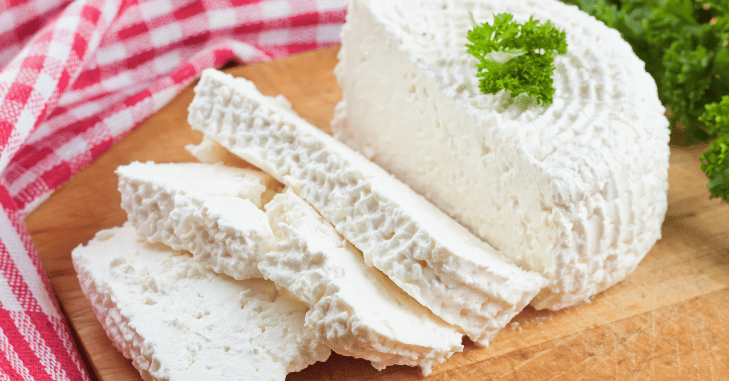
Cottage cheese comes in several varieties, which differ in fat content, curd size, and moisture:
- Full-Fat/Whole Milk Cottage Cheese: Creamy, higher in calories and saturated fat.
- Low-Fat Cottage Cheese: Fewer calories, retains high protein content.
- Skim Cottage Cheese: Very low in fat, ideal for calorie-conscious individuals.
- Small-Curd: Creamier, softer texture, easier to mix with fruits or smoothies.
- Large-Curd: Firmer, holds shape better in savory dishes.
- Organic or Grass-Fed: Made from milk from cows fed on organic or pasture diets, often richer in omega-3 fatty acids.
How to Incorporate Cottage Cheese Into Your Diet?
Cottage cheese is highly versatile and can be included in both sweet and savory dishes:
Sweet Options
- Mixed with fruits like berries, bananas, or peaches
- Added to smoothies for extra protein
- Served with honey, cinnamon, or cocoa powder
Savory Options
- Combined with vegetables as a salad topping
- Spread on whole-grain toast or crackers
- Used as a base for dips or spreads
- Included in omelets or baked casseroles
Pre- and Post-Workout
- Paired with fruit for a pre-workout energy boost
- Mixed with nuts and seeds as a post-workout recovery snack
Considerations and Potential Drawbacks
Sodium Content
Many commercial cottage cheese varieties contain added salt to enhance flavor and extend shelf life. Excessive sodium intake can contribute to high blood pressure and increase the risk of cardiovascular issues over time. For individuals monitoring their heart health or following a low-sodium diet, selecting low-sodium or reduced-salt cottage cheese options is highly recommended.
Lactose Intolerance
Cottage cheese naturally contains lactose, a sugar found in dairy, though it is often lower than in milk or cream. Some individuals with lactose intolerance can tolerate moderate amounts of cottage cheese without discomfort, while others may experience bloating or digestive upset.
Fat Content
Full-fat cottage cheese is richer in calories and saturated fat, which can affect heart health and weight management if consumed excessively. For people following low-fat or calorie-conscious diets, reduced-fat or fat-free cottage cheese varieties are a better option.
Allergies
As a dairy product, cottage cheese contains milk proteins such as casein and whey, which can trigger allergic reactions in sensitive individuals. Symptoms may range from mild digestive issues to more severe immune responses.
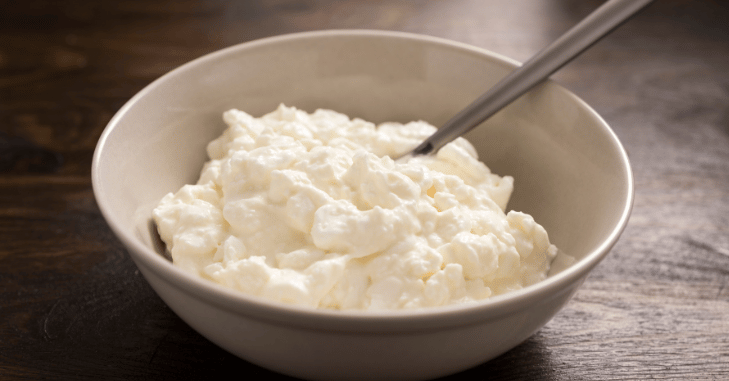
Cottage Cheese vs Other Protein Sources
| Protein Source | Protein (per 100g) | Key Features |
| Cottage Cheese | 10–14 g | Slow-digesting casein, calcium-rich, low-calorie |
| Greek Yogurt | 10 g | Higher in whey protein, thicker texture |
| Whey Protein Powder | 20–25 g | Rapid absorption, ideal post-workout |
| Eggs | 13 g | Complete protein, high in vitamins and minerals |
| Chicken Breast | 31 g | Lean animal protein, versatile for meals |
Recommended Serving Sizes

A typical serving size for cottage cheese is:
- 1/2 to 1 cup (100–200g) per meal
- Pre-bed snack: 100–150g for overnight muscle recovery
- Can be paired with fruits, nuts, or vegetables to create a balanced meal
Conclusion
In summary, cottage cheese protein is more than just a dairy product—it is a slow-digesting, complete protein powerhouse that supports muscle growth, recovery, and overall health. Its combination of high-quality protein, essential amino acids, and key nutrients makes it an ideal choice for a balanced diet.
Whether consumed as a snack, part of a meal, or incorporated into recipes, cottage cheese offers both convenience and nutritional value. By including cottage cheese in your diet, you can enjoy a natural, versatile, and effective way to meet your daily protein needs while benefiting from additional vitamins and minerals essential for long-term health.
Want to know about Is Haggis Healthy? Exploring the Nutritional Benefits, Risks, and Modern Alternatives of Scotland’s Traditional Dish Check out our Food category.
FAQs
Cottage cheese contains approximately 10–14g of protein per 100g, depending on fat content and variety.
It primarily contains casein, a protein that releases amino acids slowly over several hours, supporting muscle repair and satiety.
Yes, its high protein content increases satiety, helping reduce overall calorie intake. Low-fat or skim versions are ideal for weight management.
Some people tolerate it well, but lactose-free versions are available for sensitive individuals.
Before bed or between meals, as the slow-digesting protein supports overnight recovery and muscle repair.
Choose low-sodium varieties or rinse regular cottage cheese under water before eating to remove excess salt.

