


Is haggis healthy? This question often sparks curiosity and debate, especially among those unfamiliar with traditional Scottish cuisine. At first glance, haggis might seem indulgent or heavy, given its use of sheep’s organ meats, suet, and oats. However, upon closer examination, haggis is a surprisingly nutritious food. It is rich in high-quality protein, iron, vitamin B12, zinc, and selenium, nutrients that support muscle growth, blood health, immunity, and overall bodily function.
For those mindful of heart health, vegetarian or vegan haggis provides a flavorful alternative with lower fat and zero cholesterol, making it easier to include in a regular diet. So, is haggis healthy? It can be, but its healthfulness depends on how often it is consumed, how it is prepared, and what it is paired with, underscoring that even a traditional indulgence can fit into a modern, balanced lifestyle when approached thoughtfully.
| Topic | Key Points |
| Is Haggis Healthy? | Haggis is nutrient-dense, rich in protein, iron, B12, zinc, and selenium. High in saturated fat, cholesterol, and sodium. Moderation and pairing vegetables make it part of a balanced diet. Vegetarian/vegan options are lower in fat and cholesterol. |
| What Haggis Is | Made from sheep’s offal (heart, liver, lungs), oats, onions, suet, salt, and spices. Organ meats provide concentrated nutrients. |
| Cultural Importance | Developed as a practical, nourishing food for labor-intensive lifestyles. Reflects “waste-nothing” philosophy. Designed for energy, not sedentary living. |
| Nutritional Profile (Per 100g) | Calories: 250–300 kcal; Protein: 13–15g; Fat: 20–23g; Saturated Fat: 7–9g; Carbs: 10–14g; Fiber: 2–3g; High in Vitamin B12, Iron, Zinc, Selenium, Vitamin A. |
| Health Benefits | Supports muscle/tissue repair, boosts iron levels, promotes satiety, and contributes to gut health. |
| Health Risks | High saturated fat → raises LDL cholesterol; High sodium → raises blood pressure; Cholesterol concerns for heart patients; Purines → may trigger gout flare-ups. |
| Safe Consumption | Best eaten occasionally, 100–150g per serving. Pair with vegetables for fiber, vitamins, and balanced nutrition. |
| Vegetarian/Vegan Haggis | Made from lentils, beans, mushrooms, oats, nuts; lower in fat, no cholesterol, higher fiber; may still contain sodium. |
| Special Diet Suitability | Suitable For: High-protein, iron-rich, traditional whole-food diets. Not Ideal For: Low-fat, low-sodium, gout management, strict heart-health diets. |
| Making Haggis Healthier | Use lean cuts, less suet, more oats, reduce salt, serve with vegetables, or choose vegetarian options. |
Is Haggis Healthy?
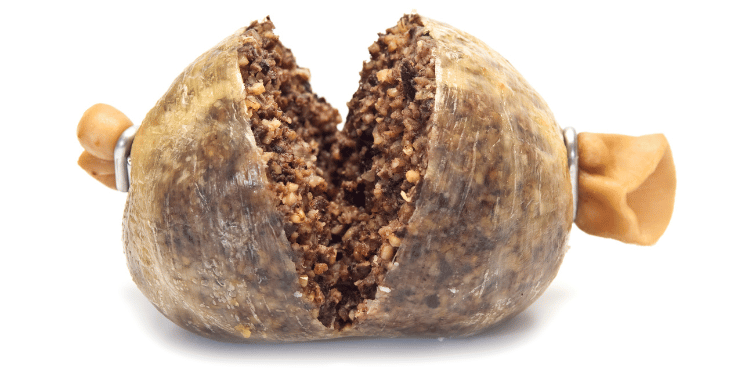
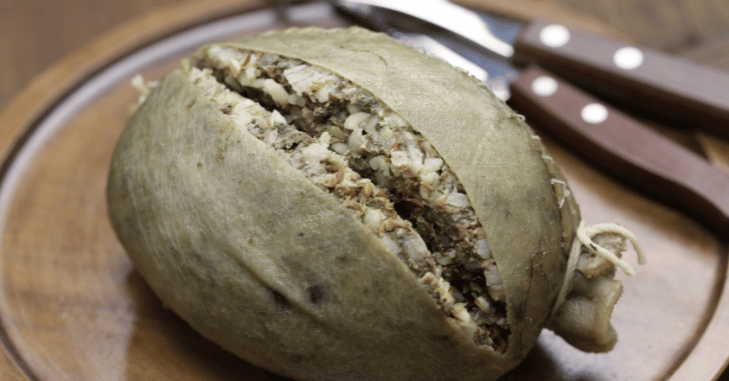
Is haggis healthy? This is a question that often comes up when people encounter this iconic Scottish dish, and the answer is nuanced. Haggis, made from sheep’s offal such as heart, liver, and lungs, combined with oats, onions, suet, and spices, is surprisingly nutrient-dense.
It provides high-quality protein, essential vitamins like B12, and minerals such as iron, zinc, and selenium, which are important for energy, immune function, and overall health. However, traditional haggis is also high in saturated fat, cholesterol, and sodium, which can increase the risk of heart disease, raise blood pressure, and affect cholesterol levels if eaten frequently or in large portions.
For those seeking a lighter option, vegetarian or vegan haggis offers a flavorful alternative that is lower in fat, free of cholesterol, and generally more heart-friendly. Therefore, is haggis healthy? It can be, when enjoyed thoughtfully as an occasional, balanced meal rather than a daily indulgence.
Understanding Haggis: What It Really Is?
Traditional haggis is made from a finely chopped mixture of:
- Sheep’s heart, liver, and lungs (offal)
- Oatmeal
- Onions
- Suet (animal fat)
- Salt, black pepper, and warming spices
The use of offal is key. Organ meats are among the most nutrient-dense foods available, even though they are less common in modern Western diets.
Nutritional Benefits of Haggis
Haggis is often considered a nutrient-dense traditional dish because it combines organ meats, oats, and spices that together deliver a wide range of essential nutrients. It is particularly rich in high-quality protein, iron, vitamin B12, zinc, and selenium, all of which play important roles in supporting energy production, immune function, muscle repair, and healthy blood circulation.
The inclusion of oats also adds a small amount of fiber, which can support digestion and help maintain steadier blood sugar levels. While it is relatively high in fat and sodium, its nutritional profile shows that haggis can contribute valuable nutrients when eaten in moderation as part of a balanced diet.
Cultural Importance of Haggis

Haggis developed as a practical and nourishing food shaped by necessity rather than luxury. Historically, it made use of parts of the animal, such as the heart, liver, and lungs, that would otherwise spoil quickly, ensuring that nothing went to waste. This dish provided energy-dense nutrition that was essential for people living labor-intensive lifestyles, particularly in rural and working-class communities.
Its ingredients and preparation reflected a strong “waste-nothing” philosophy, where every edible part of the animal was valued. This historical context explains why haggis is so rich and filling: it was specifically designed to fuel long hours of hard physical work, not the sedentary routines common in modern life.
Complete Nutritional Profile of Haggis
Macronutrients (Per 100g Approx.)
- Calories: 250–300 kcal
- Protein: 13–15 g
- Fat: 20–23 g
- Saturated Fat: 7–9 g
- Carbohydrates: 10–14 g
- Fiber: 2–3 g
Micronutrients
Haggis is especially high in:
- Vitamin B12 – essential for brain health and red blood cell formation
- Iron – supports oxygen transport and energy levels
- Zinc – boosts immunity and healing
- Selenium – helps protect cells from oxidative stress
- Vitamin A – important for vision and immune defense
Health Benefits of Haggis in Detail
1. Supports Muscle and Tissue Repair
The protein content in haggis supports:
- Muscle growth
- Tissue repair
- Enzyme and hormone production
2. Boosts Iron Levels Naturally
Haggis contains heme iron, which is more easily absorbed than plant-based iron. This is beneficial for:
- People prone to iron deficiency
- Individuals with low energy levels
- Women with higher iron needs
3. Promotes Satiety
Due to its combination of protein and fat, haggis is very filling. This can:
- Reduce overeating
- Help with appetite control
- Provide long-lasting energy
4. Contributes to Gut Health
The oatmeal adds modest fiber, supporting:
- Digestive regularity
- Gut bacteria diversity
- Slower digestion and steadier blood sugar
Health Risks and Concerns to Consider
1. High Saturated Fat Content
The use of suet and organ meats in traditional haggis results in relatively high levels of saturated fat. Consuming large amounts of saturated fat may increase LDL (bad) cholesterol levels in the blood, which is linked to a higher risk of heart disease when eaten frequently over time.
2. High Sodium Intake
Traditional haggis recipes are often heavily salted, which can have negative health effects when consumed in excess. A high sodium intake may raise blood pressure, place additional strain on the kidneys, and increase the overall risk of cardiovascular disease.
3. Cholesterol Levels
Although cholesterol in food does not affect everyone in the same way, it can be a concern for people with heart disease or for individuals who have been medically advised to follow a low-cholesterol diet, making moderation especially important for these groups.
4. Purines and Gout Risk
Organ meats contain purines, natural compounds that break down into uric acid in the body. When consumed in high amounts, purines can increase uric acid levels in the blood, which may trigger painful gout flare-ups in individuals who are susceptible or already managing the condition.
Is Haggis Safe for Regular Consumption?
Haggis is safe and nutritious when enjoyed occasionally, but it is not ideal as an everyday food because of its high saturated fat and sodium content. The healthiest approach is to keep portion sizes moderate, as large servings can quickly increase calorie, fat, and salt intake.
Rather than eating haggis regularly or weekly, it is better to treat it as an occasional dish within a varied diet. Balancing haggis with vegetables and whole foods, such as leafy greens, root vegetables, and whole grains, helps offset its richness by adding fiber, vitamins, and antioxidants. This combination supports better digestion, steadier energy levels, and improved heart health.
Vegetarian and Vegan Haggis: A Healthier Alternative?
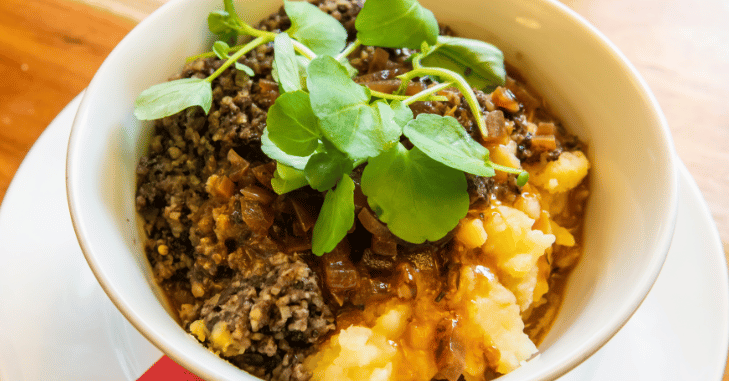
Modern vegetarian haggis is typically made from:
- Lentils and beans
- Mushrooms
- Nuts and seeds
- Oats and spices
Nutritional Advantages
- Lower saturated fat
- Zero cholesterol
- Higher fiber
- Often lower calories
Possible Downsides
- It can still be high in sodium
- Some versions may be highly processed
Overall, vegetarian haggis is more heart-friendly, especially for regular consumption.
Haggis and Special Diets

| Category | Diet Types |
| Suitable For | High-protein diets |
| Iron-rich diets | |
| Traditional whole-food diets | |
| Not Ideal For | Low-fat diets |
| Low-sodium diets | |
| Gout management plans | |
| Strict heart-health diets (traditional version) |
How to Make Haggis Healthier at Home?
If preparing or choosing haggis, consider:
- Using leaner cuts and less suet
- Reducing added salt
- Increasing oat content for more fiber
- Serving with plenty of vegetables
- Choosing vegetarian haggis more often
Portion Size Matters
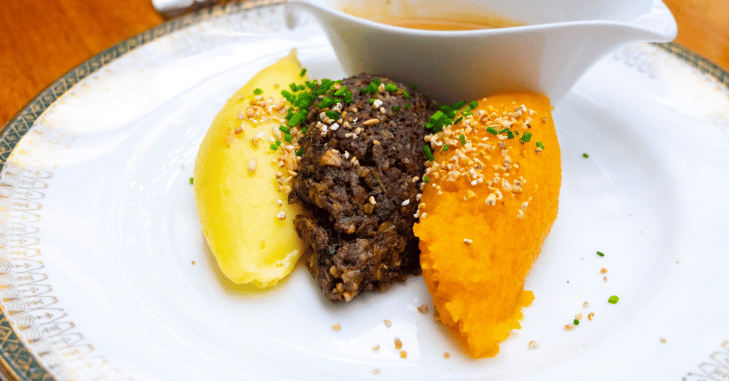
A healthy portion of haggis is typically around 100 to 150 grams per serving, which provides sufficient protein and nutrients without excessive calories, saturated fat, or sodium. Consuming haggis in this moderate amount allows you to enjoy its rich flavors while maintaining a balanced diet.
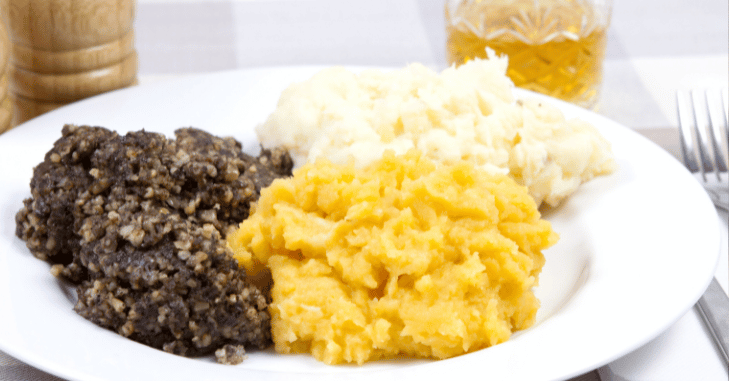
To further enhance its nutritional value, it is best paired with a generous serving of vegetables such as turnips, carrots, cabbage, or leafy greens. These vegetables add fiber, vitamins, and minerals that complement the dense, nutrient-rich haggis, improve digestion, and help balance blood sugar levels.
Combining haggis with vegetables also increases satiety, making the meal more filling and heart-healthy while mitigating some of the potential drawbacks of its higher fat and sodium content.
Conclusion
Is haggis healthy? The answer is nuanced. Traditional haggis, made from sheep’s offal, oats, onions, and suet, is surprisingly nutrient-rich, providing high-quality protein, iron, vitamin B12, zinc, and selenium that support muscle growth, blood health, immunity, and overall bodily function.
However, it is also high in saturated fat, cholesterol, and sodium, which may increase the risk of cardiovascular disease and hypertension. The key to enjoying haggis in a healthy way lies in moderation, mindful portion sizes (typically 100–150 grams), and pairing it with vegetables like turnips, carrots, cabbage, or leafy greens to increase fiber, vitamins, and antioxidants.
Want to know about Are Crumpets Healthy? A Comprehensive Guide to Nutritional Benefits, Risks, and Smart Choices for a Balanced Diet Check out our Food category.
FAQs
Yes, in moderation. It is rich in protein, iron, B12, and essential minerals, but high in saturated fat and sodium.
Occasionally, rather than daily or weekly, to avoid excess saturated fat, cholesterol, and sodium.
Generally, yes. Vegetarian or vegan versions are lower in fat, have no cholesterol, and are higher in fiber.
Traditional haggis can increase LDL cholesterol and blood pressure if eaten frequently, so moderation is important.
A serving of 100–150 grams paired with vegetables provides a balanced meal without excessive calories or fat.
Those with gout or heart disease should be cautious, as organ meats are high in purines and cholesterol. Vegetarian alternatives are safer options.

