

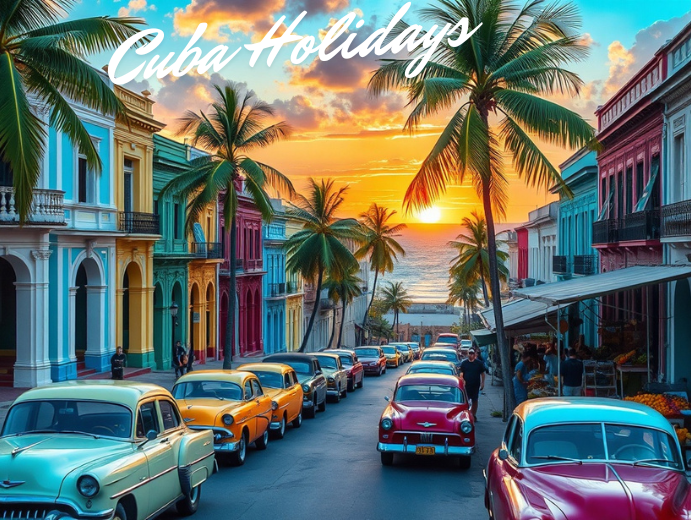
Cuba Holidays offer an unforgettable journey into a destination rich in history, culture, and natural beauty. As the largest island in the Caribbean, Cuba captivates travelers with its colorful colonial cities, pristine beaches, lush valleys, and vibrant music-filled streets.
From the timeless charm of Havana and the white sands of Varadero to the scenic landscapes of Viñales and the cultural heartbeat of Santiago de Cuba, Cuba offers a wide variety of experiences for all kinds of tourists.
Cuba Holidays promises a distinctive and enriching travel experience that is unmatched anywhere else in the world, whether you are looking for leisure, adventure, cultural immersion, or culinary delights.
| Category | Highlights |
| Cuba Holidays | Havana, Varadero, Viñales, Cienfuegos, Trinidad, Santiago de Cuba, Baracoa |
| Cultural Attractions | Old Havana (UNESCO Site), Plaza Mayor, Castillo del Morro, Museums, Live Music |
| Natural Landscapes | Viñales Valley, El Yunque, Mogotes, Beaches, Coral Reefs |
| Visit the best Time | Dry Season (November–April), Shoulder Season (May–June & September–October), and Rainy Season (July–August) |
| Adventure Activities | Hiking, Snorkeling, Diving, Sailing, Cycling Tours |
| Experiences of Culture | Local festivals, cooking classes, music workshops, and salsa dancing |
| Local Cuisine | Ropa Vieja, Arroz con Pollo, Moros y Cristianos, Fresh Seafood |
| Drinks & Nightlife | Mojitos, Cuba Libres, Rum bars, Live music venues |
| Costs & Currency | Cuban Peso (CUP), reasonably priced travel that is more expensive in tourist destinations |
| Transportation | Viazul buses, Classic taxis, Domestic flights, Car rentals |
| Health & Safety | Generally safe, basic safety measures are suggested, and travel insurance is advised. |
Cuba Holidays
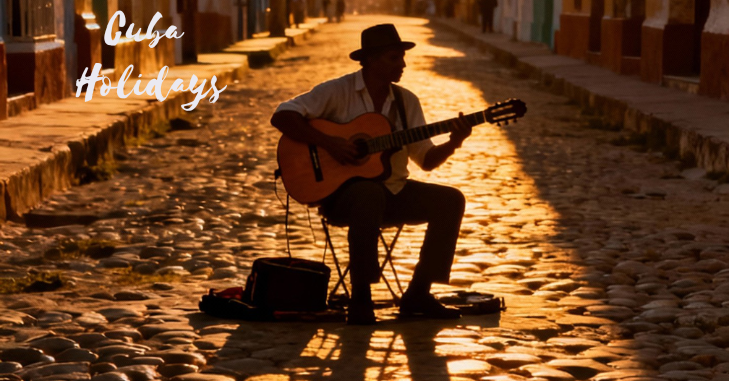
The largest island in the Caribbean is Cuba, a vibrant destination known for its rich history, diverse landscapes, and unique culture. From its stunning beaches to its colonial architecture, Cuba offers a plethora of experiences for travelers in cuba holidays.
Top Places to Visit in Cuba
Havana
Havana, the capital city, is a must-see for anyone visiting Cuba. Known for its colorful buildings, vintage cars, and lively streets, the city is a UNESCO World Heritage site.
Old Havana (Habana Vieja) is particularly enchanting with its cobblestone streets and historical landmarks. El Capitolio, which is similar to the US Capitol, is open for exploration by visitors. And the beautiful Plaza de la Catedral, home to the stunning Cathedral of Havana.
Cultural Experiences abound in Havana, from visiting the Museum of the Revolution to enjoying live music at historic venues. Be sure to take a leisurely walk along the Malecón, the iconic seaside promenade renowned for its breathtaking sunset views.
Varadero
Varadero is renowned for its stunning beaches, making it one of Cuba’s top tourist destinations. The area boasts miles of soft, white sand and crystal-clear waters.
Water Sports are abundant, with opportunities for snorkeling, diving, and sailing. You can also take day trips to nearby cays, such as Cayo Blanco, where you can relax and enjoy the sun.
Viñales
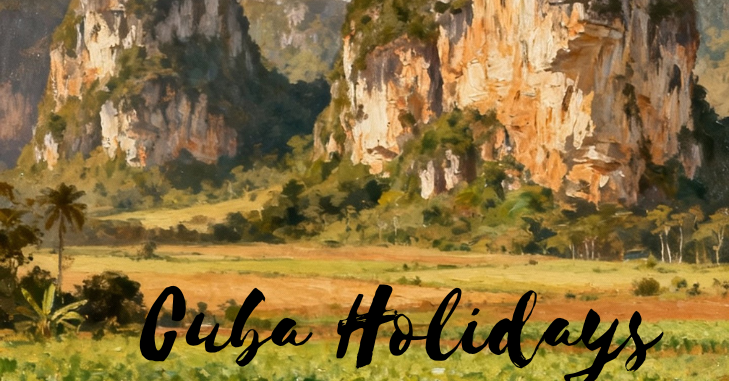
Known for its breathtaking landscapes, Viñales is the heart of Cuba’s tobacco production. The Viñales Valley offers stunning scenery with imposing limestone hills known as mogotes.
Outdoor activities like hiking, horseback riding, and farm tours provide a wonderful way to discover the region’s lush countryside. Be sure to visit the Cueva del Indio, an impressive cave featuring a scenic underground river.
Cienfuegos
Cienfuegos, often called “The Pearl of the South,” is known for its stunning French-inspired architecture. Parque José Martí is the city’s main square, surrounded by historic buildings. The Palacio de Valle, a remarkable structure blending Gothic and Moorish styles, is another highlight. Enjoy a leisurely walk along the picturesque waterfront.
Trinidad
Trinidad is famous for its well-preserved colonial architecture. Its cobblestone streets and colorful houses make it a charming destination. Plaza Mayor serves as the heart of the town, offering visitors an ideal place to experience the local culture and atmosphere.
Casa de la Musica is a prominent venue for live music, where you can dance the night away. Don’t forget to explore the Valle de los Ingenios, once a thriving sugar plantation region.
Santiago de Cuba
Santiago de Cuba is rich in history and culture, often regarded as the birthplace of salsa music. Castillo del Morro offers stunning views of the harbor and a glimpse into Cuba’s colonial past. Céspedes Park is the social hub of the city, bustling with activity and local music. Visitors can fully experience the vibrant Afro-Cuban culture by enjoying its distinctive food, lively music, and energetic dance traditions.
Baracoa
Baracoa is the oldest city in Cuba, known for its raw natural beauty and rich history. El Yunque is a flat-topped mountain that offers excellent hiking opportunities. The city is also famous for its unique cuisine, featuring local fruits and seafood. Relax on the stunning beaches and sample coconut-based dishes that showcase the region’s rich culinary traditions.
Best Time to Visit Cuba
Cuba’s climate varies throughout the year, making timing your visit essential for an enjoyable experience.
Dry Season (November to April)
The ideal time to travel is during the dry season, which runs from November to April. This period features pleasant weather with low humidity, making it ideal for sightseeing and outdoor activities.
Festivals such as the Havana Jazz Festival occur during this time, providing an excellent opportunity to experience Cuban culture.
Shoulder Season (May to June and September to October)
The shoulder season provides pleasant weather conditions along with fewer crowds. While temperatures can be warmer, many travelers appreciate the quieter experience. This is a great time for budget travelers, as prices on accommodations and flights may be lower.
Rainy Season (July to August)
July and August represent the rainy season, with hotter temperatures and increased humidity. While daily rain showers are common, they usually occur in the afternoon. Despite the weather, summer brings lively festivals and events. However, for beach lovers, this may not be the ideal time, as some water activities can be affected by rain.
Adventure and Outdoor Activities

Cuba is an adventure seeker’s paradise, offering many activities that allow visitors to explore its diverse landscapes.
- Hiking: Viñales and Baracoa boast stunning landscapes with a wide variety of hiking trails to explore. In Viñales, you can explore the beautiful Valle de Viñales, surrounded by tobacco fields and impressive limestone formations. El Yunque in Baracoa provides hiking enthusiasts with panoramic views and opportunities to discover local flora and fauna.
- Water Sports: Cuba’s coastline is perfect for water sports, with Varadero and Cienfuegos being popular spots for snorkeling, diving, and sailing. Visit Parque Natural Punta Hicacos for excellent diving spots or consider a day trip to the coral reefs around Jardines de la Reina, known for their pristine condition.
- Cultural Workshops: Engaging with Cuba’s vibrant culture can be a rewarding experience. Participate in cooking classes to learn about traditional Cuban cuisine or take salsa dancing lessons. Many venues, especially in Havana and Trinidad, offer workshops that allow you to immerse yourself in local art and music.
- Cycling Tours: Exploring by bicycle allows you to see Cuba at your own pace. Many travelers choose to cycle through the countryside, visiting small villages and local markets. Biking provides a unique perspective on the diverse landscapes, from beaches to tobacco fields, and can be a fun way to meet locals.
Local Cuisine
No visit to Cuba is complete without savoring its delicious food. Cuban cuisine reflects the country’s diverse influences, including Spanish, African, and indigenous flavors.
Must-Try Dishes
Start with Ropa Vieja, shredded beef in a savory tomato sauce. Arroz con Pollo, a classic chicken and rice dish, is also a must. For vegetarians, Moros y Cristianos, a mix of black beans and rice, is a delightful option. Don’t miss out on fresh seafood, especially in coastal areas. You can find various shellfish and fish prepared in flavorful sauces, often accompanied by tropical fruits and vegetables.
Drinking Experiences
While in Cuba, be sure to try mojitos and Cuba Libres (rum and cola). The country is famous for its rum, and visiting a local bar to enjoy a drink is a cultural experience in itself.
Food Markets
Explore local food markets to get a sense of everyday Cuban life. Markets often feature fresh produce, spices, and homemade goods, allowing you to interact with locals and sample authentic dishes.
Currency and Costs
Understanding Cuba’s currency system is crucial for travelers. Cuba has transitioned to a unified currency, simplifying transactions.
- Currency: Previously, Cuba had a dual currency system with the Cuban Peso (CUP) and the Cuban Convertible Peso (CUC). As of recent changes, the CUP is the currency primarily used by locals, while travelers often rely on cash for most transactions.
- Budgeting: Cuba can be quite affordable, but costs can vary depending on location and activities. Budget accommodations and meals are readily available, but expect higher prices in tourist hotspots like Varadero. Consider planning a daily budget that allows for flexibility in activities, meals, and transportation to make the most of your trip.
Transportation
Getting around Cuba requires some planning, as the transportation options vary widely. Cuba has an extensive public transport system, including buses and classic taxis. Viazulis a comfortable long-distance bus service that connects major cities. If you’re looking for a more authentic experience, try the vintage cars available for hire.
They can often double as a fun tour of the city. For longer distances, domestic flights are an option. These can save time, especially when traveling from Havana to distant regions like Santiago de Cuba or Baracoa. Renting a car gives you the flexibility to explore at your own pace.
However, be aware that road conditions can vary, and signage is sometimes lacking. It’s advisable to plan your route and check for fuel availability.
Safety and Health
Cuba is generally considered a safe destination, but it’s always wise to exercise standard travel precautions. Stay aware of your surroundings, especially in crowded areas. Use hotel safes for valuables and avoid displaying expensive items in public.
Local laws should be respected, and it’s advisable to familiarize yourself with cultural customs to ensure a positive travel experience. Ensure you have valid travel insurance that covers any health needs during your stay. Health services are available in Cuba, but it’s a good idea to keep a basic medical kit for minor issues.
Check any vaccination requirements before your trip. While Cuba is generally safe for tourists, it’s essential to be prepared.
Conclusion
Cuba is a captivating destination, offering a rich blend of history, culture, and natural beauty. From the vibrant streets of Havana to the serene beaches of Varadero, every corner of the island has something unique to offer.
By planning and considering the best times to visit, local cuisines to try, and adventures to undertake, this Caribbean gem promises a memorable holiday. Embrace the rhythm and warmth of Cuba, and enjoy every moment of your trip.
Want to know about African Safari Holidays: Unforgettable Wildlife Encounters, Luxury Lodges, and Safari Adventures Across Africa’s Most Stunning National Parks Check out our Travel category.
FAQs
Cuba remains relatively safe for tourists compared to many other destinations; however, reports indicate that local crime has increased significantly since the pandemic.
The ideal time to visit Cuba is from November to April, during the dry season, when temperatures are comfortably warm and the days are filled with abundant sunshine.
Tourists are required to obtain a visa to travel to Cuba. A Cuban eVisa is the fastest and easiest way of obtaining a visa for Cuba because travelers can submit their application and supporting documents online.
The country’s tourism was severely hampered by the twin blow of the coronavirus pandemic and restrictive travel measures introduced by US President Donald Trump, including a ban on US cruise ship companies from docking in Cuban ports.