

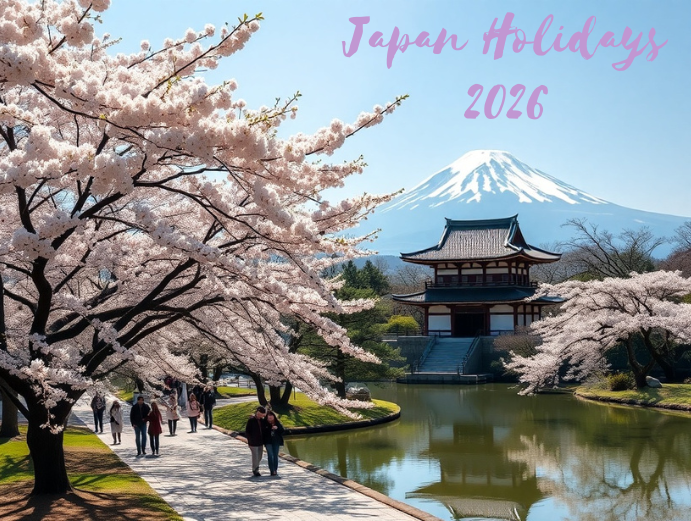
Japan Holidays 2026 offer an extraordinary opportunity to experience the perfect blend of ancient traditions and modern wonders. From the bustling streets of Tokyo and the historic temples of Kyoto to the snow-filled landscapes of Sapporo, Japan provides a rich cultural tapestry for every type of traveler.
Key holidays like New Year (Shogatsu), Golden Week, and Obon showcase the country’s vibrant festivals, family traditions, and communal celebrations. Whether you are exploring iconic landmarks such as Mount Fuji and Himeji Castle, immersing yourself in cultural practices like tea ceremonies and sumo wrestling, or enjoying seasonal highlights like cherry blossoms and autumn foliage, Japan Holidays 2026 promise an unforgettable journey filled with adventure, culture, and natural beauty.
| Category | Highlights |
| Japan Holidays 2026 | New Year (Shogatsu, Jan 1–3), Golden Week (Apr 29–May 5), Obon (mid-August) |
| Top Cities to Visit | Tokyo, Kyoto, Osaka, Hiroshima, Sapporo, Nagoya |
| Famous Attractions & Landmarks | Mount Fuji, Himeji Castle, Nara Park, Shinjuku Gyoen, The Great Buddha of Kamakura |
| Cultural Experiences | Traditional tea ceremonies, Kimono wearing, Sumo wrestling, Onsen (hot springs), Calligraphy, and art workshops |
| Seasonal Highlights | Cherry blossom season (late Mar–early Apr), Autumn foliage (Oct–Nov), Winter sports in Hokkaido & Nagano, Summer festivals & fireworks |
| Adventure & Outdoor Activities | Hiking, Cycling, Skiing, Snowboarding, Nature exploration |
| Cuisine & Food Experiences | Sushi, Ramen, Takoyaki, Okonomiyaki, Kaiseki meals, Local specialties like hitsumabushi and tenmusu |
| Festivals (Matsuri) | Gion Matsuri, Hanabi Taikai (fireworks festivals), Obon festivals |
| Travel Tips | Visa requirements, Currency (Yen), Budgeting, Safety & cultural etiquette |
Japan Holidays 2026

Japan Holidays 2026 offers a vibrant cultural tapestry, with key holidays such as New Year (Shogatsu) from January 1-3, celebrating the arrival of the new year through family gatherings and traditional meals. Golden Week from April 29 to May 5, a series of national holidays that honor Showa Day.
Constitution Memorial Day, Greenery Day, and Children’s Day, providing a time for travel and leisure; and Obon, observed around mid-August, a time for honoring ancestors during lively festivals that include dances and lantern ceremonies. These holidays reflect Japan’s rich traditions and communal values, making them ideal times for both locals and tourists to engage with cultural practices and festivities.
Japan Holidays 2026 present travelers with a unique opportunity to experience the country’s rich cultural traditions and seasonal celebrations, including major events such as New Year (Shogatsu), Golden Week, and Obon, which highlight Japan’s deep-rooted customs, family gatherings, and festive atmosphere, while also allowing visitors to explore iconic destinations like Tokyo, Kyoto, and Mount Fuji alongside seasonal highlights such as cherry blossoms in spring and vibrant autumn foliage.
Top Cities to Visit in Japan
Tokyo
Tokyo, the vibrant capital of Japan, is a bustling metropolis where futuristic skyscrapers coexist with historic temples. Shibuya Crossing, often cited as the busiest pedestrian intersection in the world, offers a taste of the city’s energy. Take time to visit Meiji Shrine, a serene spot nestled in a forested area, providing a stark contrast to the urban landscape.
Akihabara, the anime and electronics district, is perfect for pop culture enthusiasts. Explore the numerous shops and themed cafes. In contrast, Asakusafeatures the iconic Senso-ji Temple, the oldest temple in Tokyo, where you can experience traditional Japanese culture.
Kyoto
Kyoto, once the imperial capital, is a city drenched in history, renowned for its classical Buddhist temples, as well as gardens, imperial palaces, and traditional wooden houses.
Kinkaku-ji, the Golden Pavilion, is one of Kyoto’s most iconic sites. Covered in gold leaf, it reflects beautifully in the surrounding pond. Another must-visit is Fushimi Inari Taisha, famous for its thousands of vermilion torii gates that wind up Mount Inari.
Explore the historic Gion District, known for its traditional wooden machiya houses and geisha culture. Enjoy a cultural performance or stroll the narrow streets lined with teahouses.
Osaka
Osaka, known as Japan’s kitchen, is famous for its lively street food scene and vibrant nightlife. Visit Dotonbori, where neon lights illuminate the bustling streets filled with food stalls. Don’t miss trying local delicacies such as takoyaki (octopus balls) and okonomiyaki (savory pancakes).
Osaka is also home to Osaka Castle, a historic landmark surrounded by beautiful gardens. The city’s Universal Studios Japan is a fun destination for families and film buffs, offering an array of thrilling rides and attractions.
Hiroshima
Hiroshima is a city of resilience and hope, known for its tragic history and powerful memorials. The Hiroshima Peace Memorial Park is dedicated to the victims of the atomic bomb dropped in 1945. Here, you can find the haunting Atomic Bomb Dome and the Children’s Peace Monument.
Take a ferry to Miyajima Island, famous for the floating torii gate of Itsukushima Shrine. The island is a UNESCO World Heritage site, offering stunning views and opportunities for hiking.
Sapporo
Sapporo, the capital of Hokkaido, is famous for its beautiful parks, winter sports, and delicious food. If visiting in winter, check out the Sapporo Snow Festival, where incredible ice sculptures and snow statues adorn the city. Odori Park is the main venue for this annual event, stretching for over a mile.
Additionally, Sapporo is known for its Sapporo Brewery. Enjoy a brewery tour and savor some of the best beer in Japan. The city’s Nijo Market is also a must-visit for seafood lovers looking to try fresh sushi and other local specialties.
Nagoya
Nagoya, Japan’s fourth-largest city, offers a unique blend of modernity and tradition, making it an often-overlooked gem. The iconic Nagoya Castle, with its distinctive architecture and beautiful gardens, is a must-visit. Inside, learn about the castle’s history and the city’s role in Japan’s feudal era.
For automotive enthusiasts, the Toyota Commemorative Museum of Industry and Technology showcases Toyota’s history and advancements in manufacturing. Nagoya is also well-known for its local specialties, such as hitsumabushi (grilled eel) and tenmusu (shrimp tempura).
Famous Attractions and Landmarks
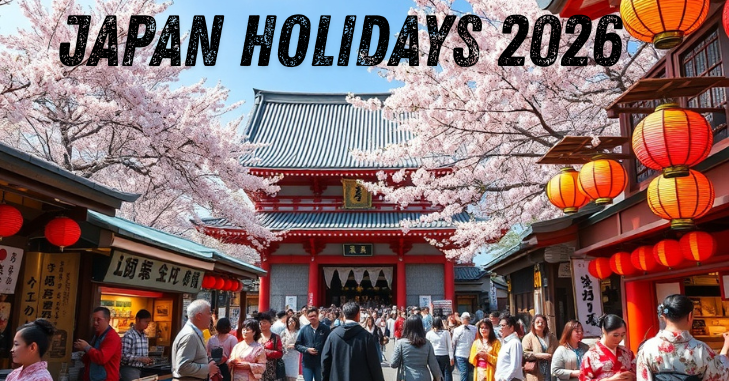
- Mount Fuji: Mount Fuji, Japan’s highest peak, is an iconic symbol of the country. The mountain stands at 3,776 meters and offers breathtaking views. Climbing Mount Fuji during the climbing season (July to September) is a popular activity for adventure seekers.
- The surrounding Fuji Five Lakes region is perfect for hiking, cycling, and enjoying picturesque views of the mountain reflected in the lakes.
- Himeji Castle: Himeji Castle is a UNESCO World Heritage site known for its stunning architecture and strategic importance. Often referred to as the “White Heron Castle” due to its elegant white exterior, it is considered one of Japan’s most beautiful castles.
- Visitors can explore the castle grounds, adorned with beautiful gardens and moats, and learn about its history and significance in Japanese culture.
- Nara Park: Nara Park is home to over a thousand free-roaming deer, considered messengers of the gods in Shinto. The park features several remarkable attractions, including the historic Todai-ji Temple, which houses a giant bronze Buddha statue. Nara, Japan’s first capital, is also rich in history and traditions, making it a perfect day trip from Kyoto or Osaka.
Shinjuku Gyoen National Garden
Located in the heart of Tokyo, Shinjuku Gyoen is an expansive garden that blends traditional Japanese, English, and French landscaping styles.
It’s a perfect spot for picnicking and relaxing amidst cherry blossoms in spring. The garden features beautiful ponds, walking paths, and tranquil scenery away from the bustling city.
The Great Buddha of Kamakura
The Great Buddha, or Daibutsu, in Kamakura is a magnificent bronze statue standing at 13.35 meters tall. This iconic landmark is located in Kamakura’s Kōtoku-in Temple and attracts visitors from around the world, showcasing the serene beauty of the statue set against a backdrop of lush hills.
Cultural Experiences in Japan
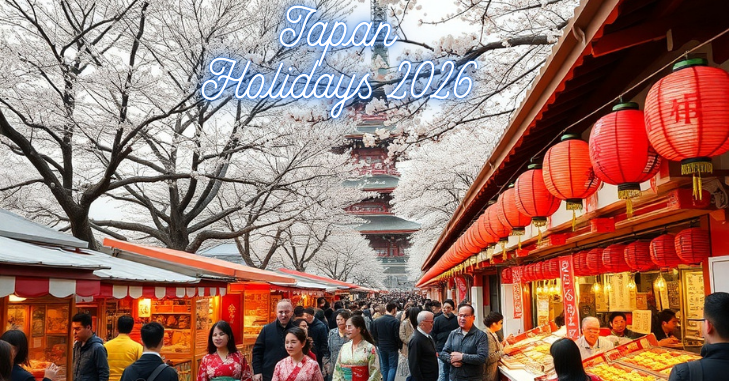
Traditional Tea Ceremony
Participating in a traditional tea ceremony is one of the best ways to immerse yourself in Japanese culture. This art form, known as chanoyu, emphasizes harmony, respect, purity, and tranquility.
During a tea ceremony, you’ll experience the detailed preparation of matcha (powdered green tea) and learn about the significant rituals involved in serving tea.
Kimono Wearing
Wearing a kimono is an iconic cultural experience in Japan. Many cities, notably Kyoto, offer rental services where you can dress in traditional attire.
Stroll through historical areas like Gion or visit temples while wearing this beautiful garment, capturing the essence of Japan’s heritage.
Sumo Wrestling
Sumo wrestling, Japan’s national sport, offers a unique experience for visitors. If your trip coincides with one of the annual tournaments held in cities like Tokyo or Osaka, be sure to attend.
Watching sumo is not just about the matches; it’s also about experiencing the rich traditions and rituals that accompany this ancient sport.
Festivals (Matsuri)
Japan is home to numerous festivals throughout the year, celebrating everything from seasonal changes to traditional customs.
The Gion Matsuri in Kyoto, held in July, is one of the most famous festivals, featuring grand parades and beautifully decorated floats. Experiencing a local Matsuri allows you to witness Japanese culture firsthand.
Onsen Experience
Visiting an onsen (hot spring) is a quintessential Japanese experience. The natural mineral-rich waters offer relaxation and rejuvenation.
There are many onsens throughout Japan; Hakoneand Beppu are particularly well-known. Enjoy soaking in outdoor baths while surrounded by scenic views of nature.
Calligraphy and Art Workshops
Engage in a calligraphy workshop to learn the art of shodō(Japanese calligraphy). You can gain insight into this traditional practice and the philosophical elements behind it.
Art studios in cities like Kyoto or Takayama also offer workshops in techniques such as pottery, painting, or traditional crafts, providing a hands-on cultural experience.
Conclusion
Japan is a country that captivates the hearts of its visitors, offering a rich tapestry of experiences, from the neon lights of Tokyo to the serene landscapes of rural Japan.
By exploring its top cities, famous landmarks, and engaging in cultural experiences, travelers can truly embrace the spirit of Japan. Whether you are seeking history, adventure, or culinary delights, Japan in 2026 promises to be an unforgettable journey. Embrace the nuances of this extraordinary destination, and savor every moment of your holiday.
Want to know about Cuba Holidays: All About Top Places to Visit in Cuba, Best Time to Visit Cuba, Adventure & Outdoor Activities, And Much More Check out our Travel category.
FAQs
In 2026, there will be one extra national holiday in Japan with the return of Silver Week in September. Japan has 16 fixed national holidays throughout the year. However, in 2026, there will be 17, due to a rule that if an ordinary working day falls between two holidays, it becomes a “bonus” holiday.
Japan isn’t banning tourists — but starting 2025, things are changing fast: ▪️ New dual pricing means foreigners will pay more at parks, museums, shrines, and ski resorts. ▪️ Some theme parks already charge 25% more for international visitors. ▪️ Tax-free shopping ends Nov 2026 — no more instant savings.
When it comes to the best time to visit Japan, the common answer is March and May for the cherry blossoms and pleasant temperatures. But Japan is a year-round popular destination with four distinct seasons.