
A knee-length skirt offers a useful balance between coverage, comfort and easy styling. It works for offices, weekends and smarter occasions. UK shops currently offer options across pencil, A-line, denim, pleated and tailored shapes. You might also like Satin Lace Shorts in the UK.
Choosing the right version depends on fit, fabric and where the hem finishes. Your height can change how the same garment sits. The best choice should suit your routine rather than one passing trend.
Quick answer: A knee-skimming style usually finishes around the kneecap or slightly below it. For many shoppers, that makes it easier to dress up than a mini. It also feels less formal than many longer midis, especially with trainers, flats or simple boots.
| What to check | Why it matters | Useful choice |
|---|---|---|
| Hem position | Changes the visual balance of your legs | Around or slightly below the knee |
| Shape | Affects movement and outfit formality | A-line, pencil, pleated or straight |
| Fabric | Changes structure and seasonality | Denim, jersey, wool, cotton or satin |
| Waist | Influences comfort and proportions | High, mid or elasticated |
| Shoes | Can lengthen or shorten the leg line | Flats, trainers, loafers or heels |
| Occasion | Helps narrow the right design | Work, casual, evening or events |
Why Knee-Length Skirt Work So Well
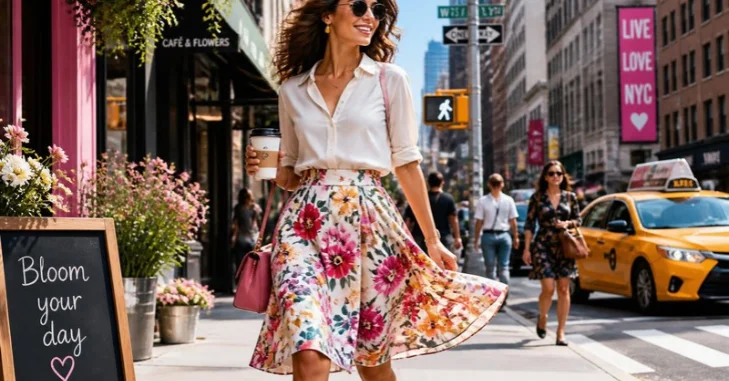
This knee-length skirt sits between short minis and longer midis. That middle position gives it broad styling flexibility. You can make the same piece look polished, relaxed or slightly retro.
Current UK retailers stock the length across many fabrics and shapes. M&S currently lists work, casual and party options. Next and John Lewis also carry denim, pleated, pencil and A-line designs.
Fashion coverage has also moved this hemline back into focus. Recent UK editorials show it with tailored and softer outfits. The length fits the continuing interest in polished dressing without demanding formal clothes.
For more trend-focused reading, explore Wrynia’s high street fashion guide. Its fashion coverage includes seasonal styling and wardrobe inspiration. That makes it a useful next stop after choosing your preferred silhouette.
How to Choose a Knee-Length Skirt That Fits Properly
Start by checking where the hem will finish on your body. Product length matters more than the label alone. The same measurement can sit differently on petite and tall frames.
Measure from your natural waist to your preferred finishing point. Compare that measurement with the retailer’s garment information. This step reduces guesswork when shopping online.
Waist construction also deserves attention. A structured waistband usually looks sharper for work or events. Elasticated or partly elasticated waists can feel easier during long days.
Check the product photographs from several angles before ordering. Side and back views can reveal splits, pockets, and fabric movement. These details often affect comfort more than colour does.
A-Line, Pencil, Pleated or Straight: Which Shape Suits You?
Different shapes create different proportions, so your preferred look should guide the choice. No single cut works better for everyone. Comfort, movement, and outfit purpose matter equally.
| Shape | Best feature | Works well for | Possible drawback |
|---|---|---|---|
| A-line | Room through the hips | Everyday outfits and smart casual wear | Can feel bulky in thick fabric |
| Pencil | Clean, fitted profile | Offices and formal dressing | Movement can feel restricted |
| Pleated | Extra movement and texture | Feminine and preppy outfits | Needs careful top proportions |
| Straight | Simple modern line | Minimal wardrobes | Fit must be accurate |
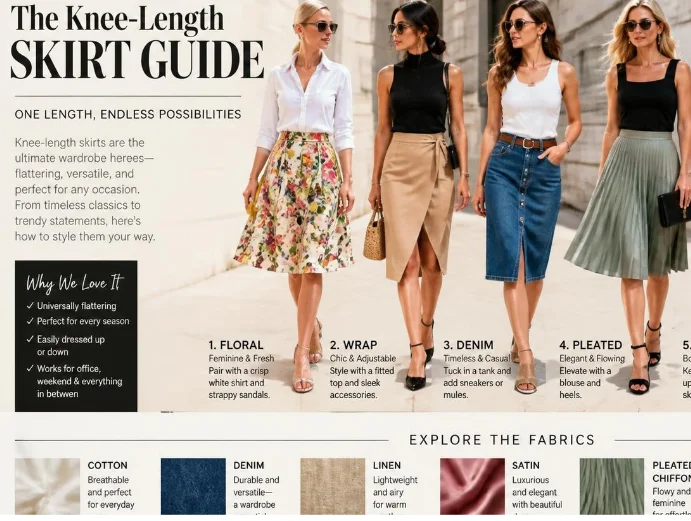
| Denim | Casual structure | Weekends and transitional weather | Heavy denim can feel stiff |
A-line styles offer one of the easiest starting points. They sit closer at the waist before widening gently. That shape works with fitted tops, knitwear and simple shirts.
Pencil versions give a cleaner and more tailored effect. They work naturally with blouses, fine knits and blazers. Look for stretch or a back split if movement matters.
Pleated designs add texture without requiring bold prints. They pair well with compact knitwear and tucked shirts. Keep other outfit elements simple when the pleats create strong movement.
Verdict: choose A-line for flexibility, pencil for sharper dressing and denim for casual use. Pleats suit shoppers wanting more movement. Straight designs work best for simple, minimal wardrobes.
What Fabrics Work Best Through the UK Seasons?
Fabric choice can determine whether a garment becomes useful or stays unworn. UK weather makes adaptable materials especially valuable. Mid-weight fabrics often offer the longest wearing season.
Cotton and lighter denim suit spring and mild summer days. Jersey can work throughout much of the year. Linen blends feel cooler but often crease more easily.
Wool blends, corduroy and heavier knits suit colder months. Pair them with tights and boots when temperatures drop. A lined design can also feel warmer and hang more smoothly.
Satin and fluid fabrics create a dressier effect. They work well for dinners, celebrations and evening events. Keep outer layers structured to balance the softer material.
Wrynia’s guide to gingham bikini styles offers another example of choosing fashion around fabric, fit and practical use. The same approach works well here. Start with construction before focusing on colour.
Seven Easy Outfit Ideas for UK Women
- Office: Wear an A-line design with a tucked shirt, loafers and a structured blazer.
- Smart workwear: Combine a pencil shape with a fine knit, low heels and a simple coat.
- Weekend: Add a denim version, white trainers and a relaxed crew-neck jumper.
- Autumn: Pair a wool-blend style with opaque tights, ankle boots and a fitted cardigan.
- Evening: Choose satin with a simple top, slingbacks and understated jewellery.
- Spring: Style a pleated option with a lightweight knit and ballet flats.
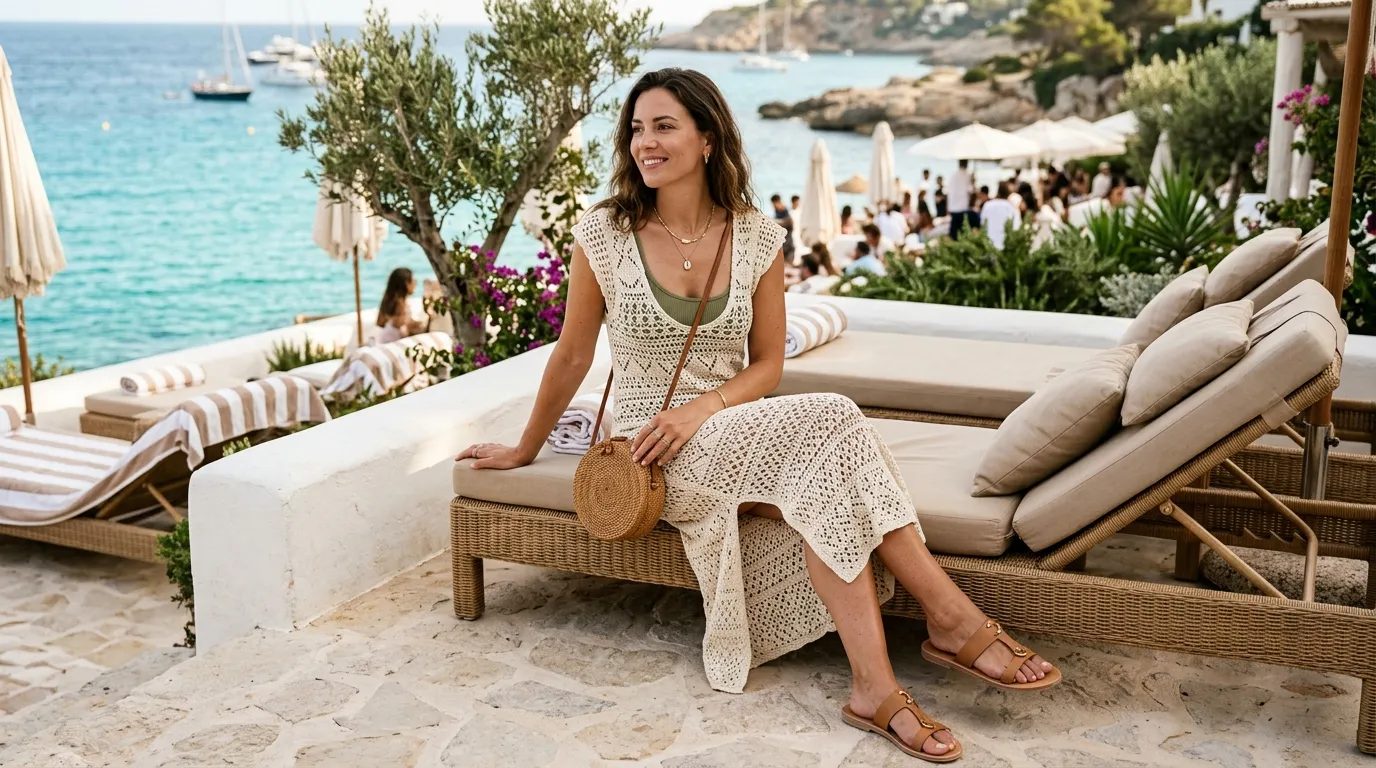
- Casual summer: Wear breathable cotton with sandals and a short-sleeved shirt.
These combinations work because each outfit keeps the proportions clear. More fitted tops usually balance fuller shapes. Relaxed tops can work better with straighter or fitted bottoms.
Colour also changes how formal the outfit feels. Black, navy, charcoal and brown suit workwear easily. Denim, cream and brighter shades can create a softer casual look.
For classic British styling references, Wrynia’s Kate Middleton fashion feature covers tailored dressing and coordinated accessories. Her public wardrobe often uses clean proportions and simple colour combinations. Those ideas transfer well to everyday smart outfits.
Which Shoes Work Best With This Length?
Shoes influence the space between the hem and your foot. That area can change the entire outfit’s proportions. Clean footwear shapes usually work particularly well.
Loafers and ballet flats create a polished daytime look. Trainers make structured pieces feel more relaxed. Slingbacks or low heels add height without making the outfit overly formal.
Ankle boots can work well during autumn and winter. Choose a streamlined shape when possible. Bulky footwear can make the lower half feel visually heavier.
Sneakers can also give tailored clothing a more casual direction. Wrynia’s Run DMC Adidas feature shows how sports footwear moved into everyday fashion. That crossover explains why trainers now work far beyond gym clothing.
What Should You Expect to Pay in the UK?
Current UK pricing varies widely by material, retailer and brand. High-street choices often begin around £20 to £40. Premium wool, leather and designer pieces can cost considerably more.
M&S currently lists examples from around £20, with premium leather options reaching £250. Next has several current choices around £25 to £55. John Lewis carries options from roughly £30 into premium price points.
Price alone does not show value. Check fabric content, lining, stitching, and care instructions. A versatile design worn often can offer better value than a cheaper impulse purchase.
Before buying, compare sizing and returns policies directly with the retailer. Availability can change quickly across colours and sizes. Always use the current product page for final pricing.
Common Buying Mistakes to Avoid
Buying by the labelled length alone can cause disappointment. Your height and waist position affect the actual fit. Always check the garment measurements when they are available.
Another mistake is choosing fabric without considering movement. Stiff materials can feel restrictive in fitted cuts. Softer materials may need lining to prevent clinging.
Avoid building the whole purchase around one outfit. A useful wardrobe piece should work with several tops and shoes. Think of at least three combinations before ordering.
Finally, check care instructions before paying. Dry-clean-only fabrics can increase long-term costs. Machine-washable options may suit busy wardrobes better.
Is a Knee-Length Skirt Different From a Midi?
Yes, the two terms usually describe different hem positions. Knee-length designs finish around the kneecap. Midi styles normally extend farther down the calf.
Retailers do not always use length terms consistently. One brand may call a longer knee style a midi. Garment measurements provide a more reliable comparison.
This distinction matters most when shopping online. Look at model height alongside product length where possible. Those details provide better context than the category name alone.
The Bottom Line
This hemline earns its place because it works across many settings. The right cut can move from work to weekends with small styling changes. Fabric and fit matter more than following a single trend.
Start with the shape you already feel comfortable wearing. Then compare fabric, measurements, and the shoes already in your wardrobe. That approach makes it easier to choose something you will wear repeatedly.
Browse more workwear ideas on Wrynia when planning the rest of your wardrobe. Use retailer pages to confirm current size, stock, and pricing before purchasing. A considered choice will usually prove more useful than a trend-led impulse.
Frequently Asked Questions
What length is a knee-length skirt?
It normally finishes around the kneecap or slightly below it. Exact garment measurements vary by design and brand. Your height also changes where the hem falls.
Are knee-length skirts suitable for work?
Yes, many styles work well in professional wardrobes. Pencil, A-line and tailored shapes are especially easy to style. Pair them with shirts, knitwear, loafers or modest heels.
Can I wear this length with trainers?
Yes, trainers can make tailored clothing feel more relaxed. Choose clean, simple designs for an easy everyday outfit. Denim and A-line shapes work particularly well with casual footwear.
Are these styles flattering for petite women?
They can work well when the hem sits at a balanced point. Petite shoppers should check garment measurements carefully. A higher waist can also create a longer-looking leg line.
What should I wear with one in winter?
Add tights, boots, and a warm knit for colder weather. Wool blends, corduroy, and heavier fabrics suit the season. A structured coat can finish the outfit neatly.